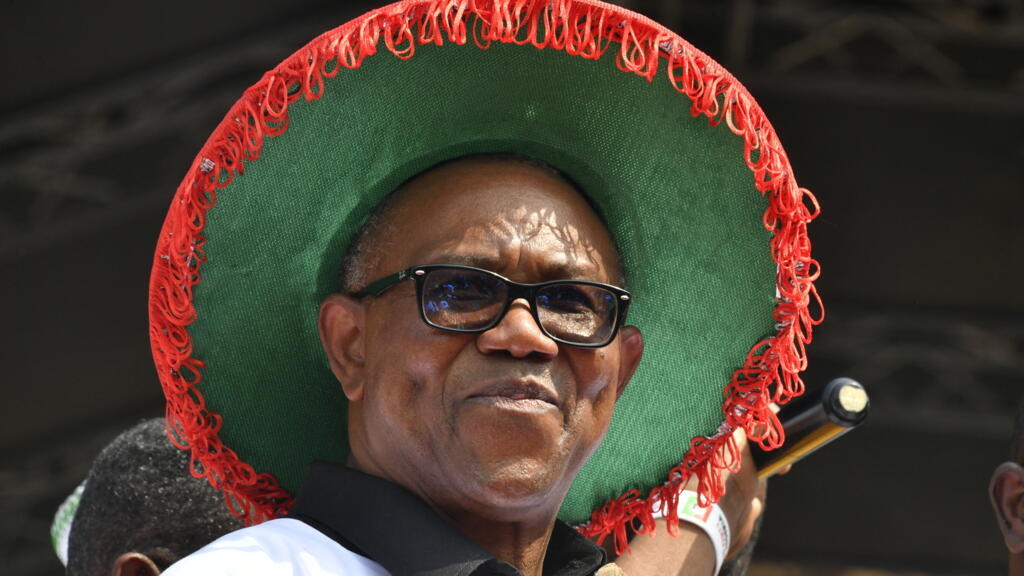
In a poignant defense of the Fulani community, former Anambra State Governor Peter Obi has condemned the pervasive ethnic profiling that often associates crime with identity. Speaking on June 8, 2026, Obi emphasized that the actions of a few individuals should not tarnish the reputation of an entire group, stating, "Crime has no ethnicity." This assertion comes amid rising tensions in Nigeria, where Fulani herdsmen have frequently been implicated in violent conflicts, leading to widespread generalizations and stigmatization.
Obi's remarks highlight the broader issue of ethnic stereotyping in Nigeria, where diverse groups sometimes face collective blame for societal issues. His defense calls for a more nuanced understanding of crime that recognizes individual culpability rather than attributing blame based on ethnicity. This perspective is critical, especially as Nigeria grapples with security challenges that require community cohesion rather than division.
Looking ahead, Obi's stance may foster dialogue that bridges misunderstandings between communities, encouraging a collaborative approach to security that prioritizes justice and equity. As Nigeria navigates its complex socio-political landscape, embracing inclusive narratives will be essential for lasting peace and unity.

