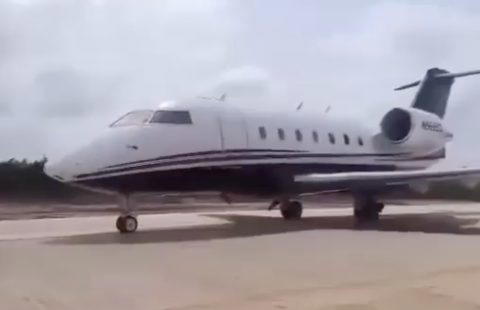
The recent incident involving a private jet approaching Asaba Airport has raised serious concerns about aviation safety in Nigeria. On June 10, 2026, the aircraft, which departed from Lagos, encountered perilous conditions that transformed a routine flight into a dramatic situation, underscoring a growing issue of reckless piloting in the region. Eyewitness accounts suggest that the jet made dangerously low passes, alarming both airport personnel and local residents.
This misadventure is not an isolated case; it highlights systemic failures in regulatory enforcement and pilot training in Nigeria’s aviation sector. According to Captain Adeola Ibe, an aviation safety expert, “The incident is a wake-up call for the industry to prioritize safety protocols and enhance pilot accountability.” These lapses could have catastrophic consequences, especially with increasing air traffic as Nigeria's economy expands.
Looking ahead, stakeholders must prioritize stringent regulatory measures and rigorous training programs to prevent such reckless behavior. If immediate actions are not taken, the risk of future incidents looms large, threatening the safety of passengers and the integrity of Nigeria's aviation industry.