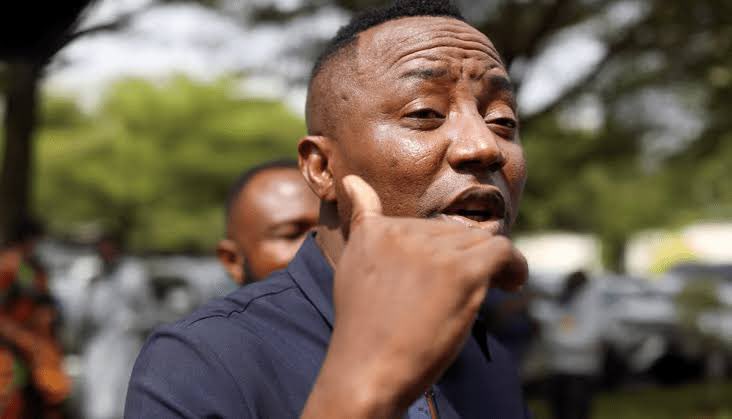
The recent imprisonment of activist Omoyele Sowore has reignited debates over judicial independence and state interference in Nigeria. The Department of State Services (DSS) has clarified its role, asserting that the court's decision to revoke Sowore's bail was not influenced by their actions. "The issues which led to the revocation of his bail arose entirely from court processes," the DSS stated, distancing itself from the events that culminated in Sowore’s remand.
This development is significant not only for Sowore but also for civil society in Nigeria, where activists often face legal challenges that can appear politically motivated. Sowore, known for his vocal criticism of the government, has previously faced multiple arrests, raising concerns about the safety of dissent in the country. The DSS's statement suggests a potential attempt to shift public scrutiny away from the agency and onto the judiciary, highlighting the complex interplay between state security and legal authority.
Looking ahead, Sowore’s case may set a critical precedent for future activism in Nigeria and could either embolden or deter dissenters. Observers will closely watch how the judiciary navigates this delicate balance between enforcing the law and upholding democratic freedoms.