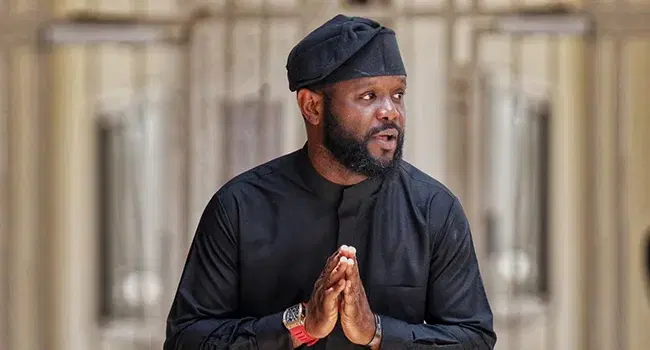
The recent remand of blogger Mr. Ofoegbu underscores the escalating tensions between digital media and political figures in Nigeria. Accused of publishing false and defamatory stories about Governor Charles Soludo and his family, Ofoegbu's actions highlight the fine line between free expression and responsible journalism. The prosecution claims he aimed to attract online traffic for financial gain, raising concerns about the integrity of information disseminated in the digital age.
This case is particularly significant amid Nigeria’s ongoing battle against misinformation, where the proliferation of fake news can disrupt social harmony and tarnish reputations. "We must hold individuals accountable for spreading falsehoods that can harm families and communities," stated a spokesperson from the governor’s office, emphasizing the need for ethical standards in digital reporting.
As the legal proceedings unfold, the implications for bloggers and online content creators will be profound. This incident not only serves as a warning to those who prioritize sensationalism over truth but also poses questions about the future of media freedom in a rapidly evolving digital landscape. The balance between accountability and freedom of expression will likely remain a contentious issue in Nigeria's political discourse.