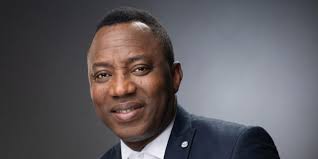
The court's recent rejection of Omoyele Sowore's request for an extended adjournment in his alleged cyberbullying trial underscores the judiciary's commitment to expediting the legal process. Sowore, a prominent activist and former presidential candidate, sought to delay the defense stage until after the court's annual vacation, a request his lawyer, Raphael Adakole, argued was necessary for adequate preparation.
This decision comes amidst heightened scrutiny over freedom of expression in Nigeria, where Sowore has been a vocal critic of the government. The trial, which has garnered significant media attention, raises critical questions about the balance between safeguarding individuals from online harassment and protecting civil liberties. As Sowore's legal team prepares for the next stage, they face a pressing timeline.
"The court's decision reflects an urgency to address the issues at hand, and we will continue to advocate for Sowore's rights," Adakole stated. Looking ahead, the trial's progression may set important precedents for future cases involving digital communication and political dissent in Nigeria, potentially influencing the broader discourse on human rights within the nation.