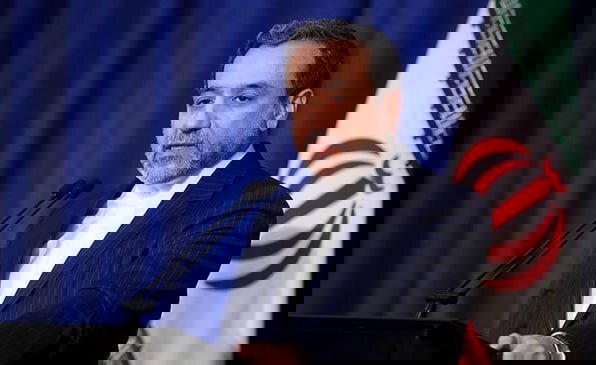
A Nigerian court's recent decision to finalise the forfeiture of 48 properties linked to Attorney General Abubakar Malami underscores the ongoing scrutiny of public officials' financial dealings. The ruling came after the Economic and Financial Crimes Commission (EFCC) sought to affirm its claim over properties acquired allegedly with illicit funds. The judge emphasized that the crux of the matter was not ownership but the legitimacy of the funds used for these acquisitions.
Malami and his associates had contested the EFCC's claims, but the court found insufficient evidence to justify their objections. As EFCC Chairman Abdulrasheed Bawa stated, "This ruling is a significant step towards ensuring accountability and integrity within our public institutions." The implications of this ruling extend beyond Malami, as it signals the judiciary's willingness to hold powerful figures accountable for financial misconduct.
Looking ahead, this decision could embolden further investigations into the assets of public officials, potentially reshaping the political landscape in Nigeria. The ruling reflects a growing demand for transparency and may pave the way for more rigorous enforcement of anti-corruption measures in the country.