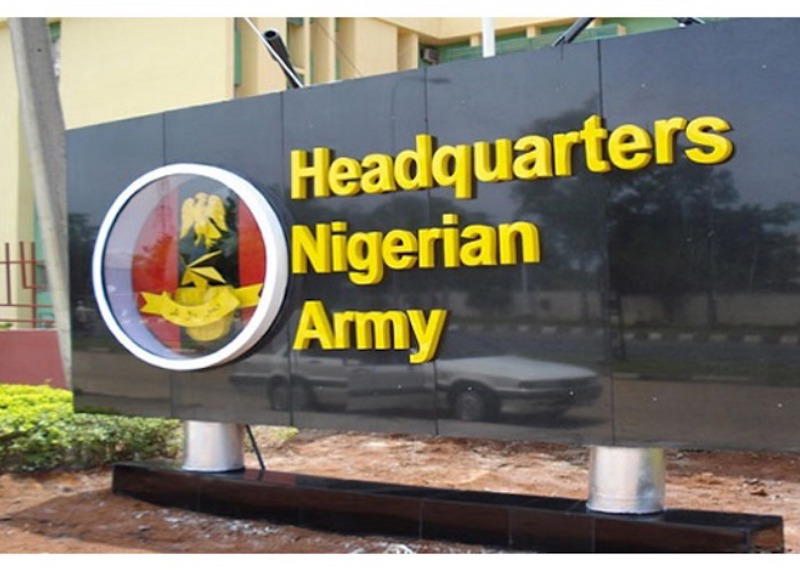
The upcoming court martial in Nigeria, set to resume on May 8, underscores the nation's ongoing struggle with political instability following an alleged coup plot. Initially announced in February, the military proceedings involve several officers, with six civilians currently facing trial in Abuja for their purported involvement in the conspiracy. This situation reflects a broader pattern of unrest amid Nigeria's complex political landscape, marked by economic challenges and rising insecurity.
The alleged coup attempt has raised questions about military loyalty and the civilian government's authority. As Major General Abubakar Aliyu stated, "We must ensure that the rule of law prevails, and those responsible are held accountable." This sentiment echoes the urgent need for transparency in Nigeria's judicial processes as the nation grapples with its democratic foundations.
Looking ahead, the resumption of the court martial could have significant implications for Nigeria's political climate. A decisive outcome may either reinforce public trust in the military and judicial systems or exacerbate tensions within the populace, highlighting the delicate balance between governance and civil rights in a country still navigating its post-colonial identity.