The recent adjournment of the forfeiture case involving former Bayelsa Governor Timipre Sylva marks another chapter in Nigeria's ongoing battle against corruption. The Federal High Court in Abuja postponed the hearing until July 16, as the Economic and Financial Crimes Commission (EFCC) seeks to reclaim nine properties allegedly acquired through illicit means. This case underscores the persistent challenges faced by anti-corruption agencies in effectively prosecuting high-profile political figures.
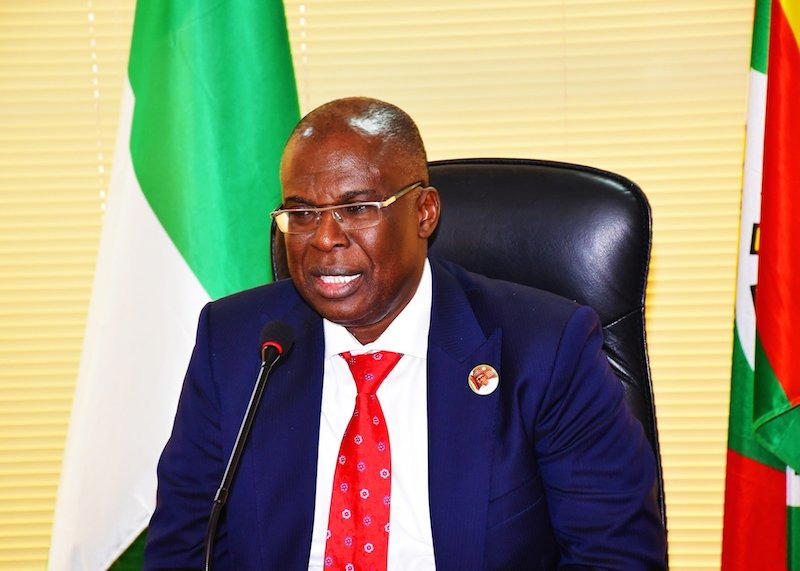
Sylva, who has served as a governor and minister, maintains that the properties in question were legitimately acquired. "This is an opportunity for us to clear our names and demonstrate transparency," he stated during a recent press briefing. The EFCC's pursuit of these assets highlights a broader commitment to accountability, as the Nigerian government grapples with the implications of corruption on national development.
Looking ahead, the adjournment raises questions about the pace of justice in high-profile cases, which often face delays. The upcoming hearings will be crucial, not only for Sylva but also for the credibility of the EFCC and the government's anti-corruption agenda, as public trust hinges on the resolution of such significant legal battles.