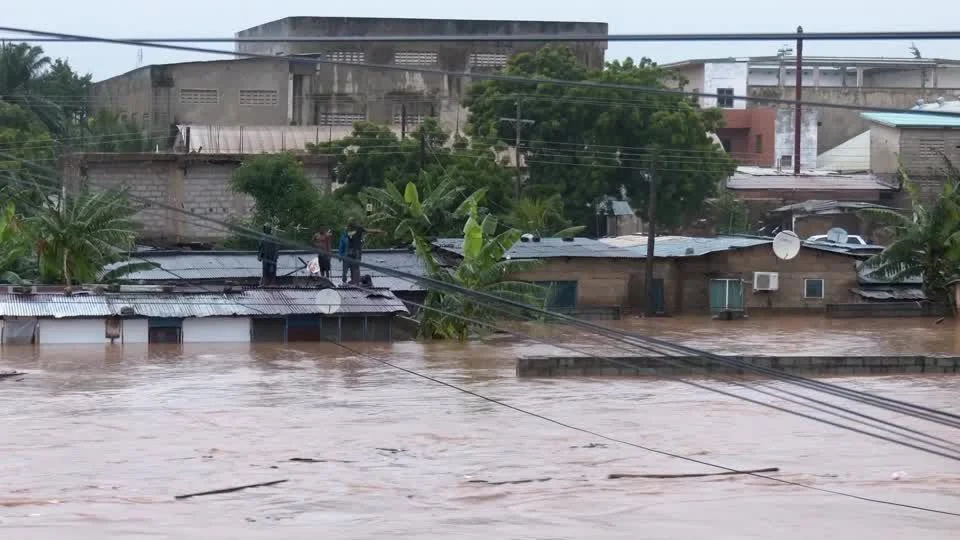
The recent torrential rains in southern Nigeria, particularly in Lagos, Ogun, and Rivers, have once again exposed the country's persistent vulnerability to flooding. As entire roads vanished under water and communities faced devastation, it became clear that the lessons of past disasters remain unheeded. This disaster, which struck on June 30, serves as a stark reminder of inadequate infrastructure and poor urban planning in flood-prone areas.
Governor Babajide Sanwo-Olu of Lagos State emphasized the urgent need for systemic change, stating, "We must invest in sustainable drainage systems and prioritize climate resilience in our urban planning." This call to action reflects the frustrations of many citizens who endure the recurring cycle of flooding, property damage, and loss of life. With climate change exacerbating weather patterns, the threat of more intense rainfall looms large.
Looking ahead, Nigeria must pivot from reactive measures to proactive strategies, focusing on sustainable development and infrastructure improvement. Without such commitment, the nation risks repeating its mistakes, leaving its citizens vulnerable to the next inevitable deluge.

