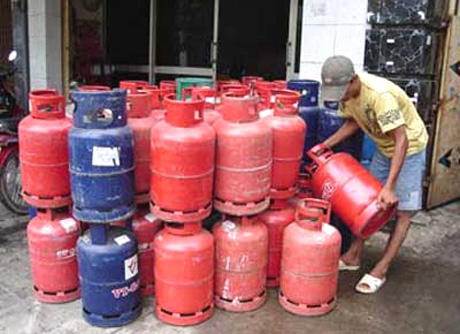
The recent surge in cooking gas prices has compelled many residents and businesses in the Federal Capital Territory (FCT) to revert to traditional cooking methods, utilizing charcoal and firewood. This shift underscores the economic pressures faced by households, particularly as the cost of living continues to rise amid broader inflationary trends.
According to the Nigeria Liquefied Petroleum Gas Association, the price of cooking gas has increased by over 50% in the last year, significantly affecting urban households that rely on it for daily cooking needs. "We have no choice but to return to charcoal and firewood," said Amina Bello, a local restaurant owner, highlighting the struggle for affordability. This transition not only reflects changing consumer habits but also raises environmental concerns, as increased deforestation and pollution from traditional fuels may emerge.
Looking ahead, the implications of this trend could be far-reaching, as the government and industry stakeholders may need to reevaluate energy policies and subsidies. Addressing the affordability of cooking gas is essential to prevent further environmental degradation and to safeguard public health in urban areas like the FCT.