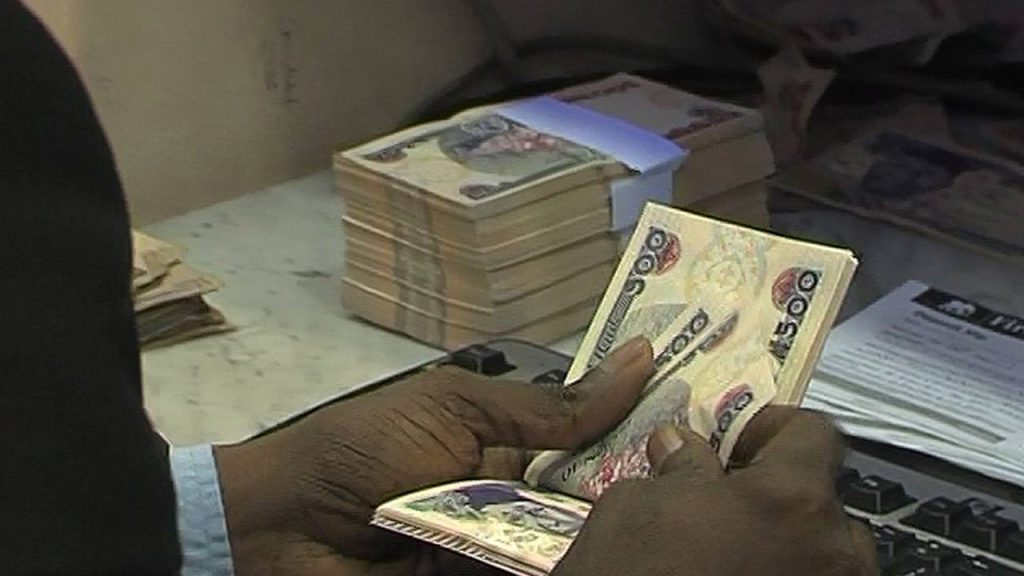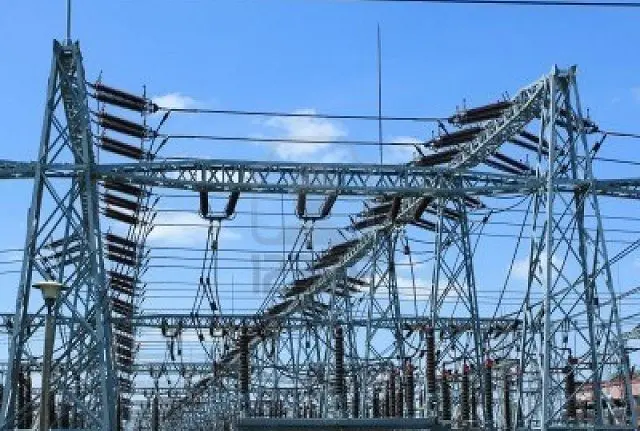
In February 2026, consumers in Nigeria paid a staggering N196.68 billion for electricity, highlighting the ongoing challenges in the nation's power sector. This substantial amount was collected by the Nigerian Electricity Regulatory Commission (NERC) despite widespread complaints about inadequate power supply and erratic services that plague households and businesses alike.
The figures underscore a dissonance between revenue generation and service delivery in a sector that has struggled with infrastructural decay and regulatory inefficiencies. Ongoing investments and reforms have yet to yield significant improvements, leaving many Nigerians frustrated. "We understand the burden on consumers, but we are working hard to ensure a more reliable power supply," stated Joseph Thaddeus, NERC's Director of Consumer Affairs.
As the government pushes for reforms, including privatization and investment in renewable energy, the focus will be on whether these efforts can translate into tangible benefits for consumers. The need for a reliable power supply is urgent, and the next steps taken by regulators and policymakers will be crucial in shaping Nigeria's economic landscape in the coming years.