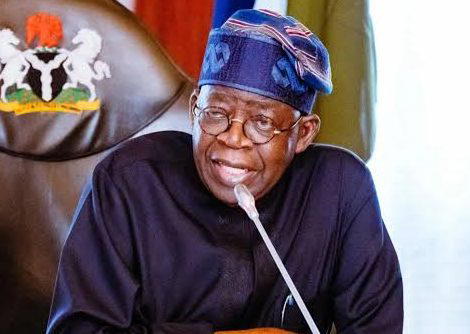
President Bola Ahmed Tinubu's healthcare reforms are poised to reshape Nigeria's public health landscape amid an ongoing economic overhaul. As the administration grapples with pressing issues such as inflation and currency fluctuations, the healthcare sector has emerged as a battleground for both policy and public sentiment. Key changes include increased funding for primary healthcare and a push for universal health coverage, aimed at reducing the burden on citizens.
However, these reforms come with collateral consequences. Critics argue that while the initiatives are well-intentioned, they risk diverting funds from other critical sectors, potentially exacerbating existing inequalities. "If not carefully managed, the healthcare reforms could lead to a ripple effect that undermines progress in education and infrastructure," warned Dr. Ngozi Eze, a public health expert.
Looking ahead, the success of Tinubu's healthcare initiatives will depend on balancing investment across various sectors while ensuring that the most vulnerable populations receive adequate support. As the administration moves forward, the interplay between healthcare and economic stability will be crucial for Nigeria's overall progress.

