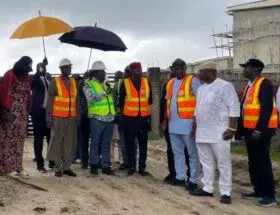
In a recent debate regarding flooding in Lagos, lawmakers have firmly rejected claims that the new Coastal Highway is the primary cause of the city's chronic waterlogging issues. They argue that the problem is deeply rooted in historical neglect and inadequate infrastructure, dating back to colonial times. This perspective was articulated by Senator Adeola Olamide, who stated, “This flooding of Lagos did not begin today; it dates back to the days of the white men, so what we are seeing today is not new.”
Despite ongoing urbanization, inadequate drainage systems, and climate change, the government maintains that the Coastal Highway is part of a broader strategy to enhance mobility and economic development. Critics, however, remain skeptical, asserting that the project could exacerbate existing drainage problems.
Looking ahead, the government must balance infrastructure development with environmental management to effectively address the multifaceted challenges of urban flooding. As climate risks escalate, proactive measures, including comprehensive urban planning and investment in sustainable drainage systems, will be essential for safeguarding Lagos against future inundation and ensuring resilience for its growing population.

