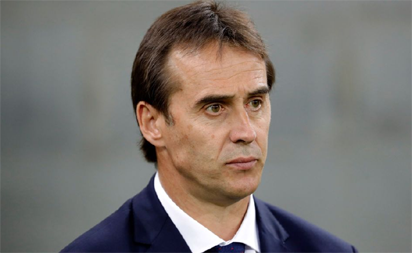
The World Cup serves as a high-pressure arena where national pride and financial investments collide, often leading to swift managerial changes. In 2026, the tournament witnessed several high-profile coaching dismissals, highlighting the unforgiving nature of international football. Coaches from teams like Italy and Brazil faced the axe after disappointing performances, a reminder that results are paramount in this competitive landscape.
The trend of sacking coaches mid-tournament reflects a growing impatience among football associations. "When expectations are high, every match feels like a final," stated Samira Olufemi, a sports analyst at Global Football Insights. She emphasized that the stakes are not just about gameplay; they carry significant economic implications, from sponsorships to fan engagement.
As the football world shifts towards a more results-oriented culture, the implications for future tournaments are profound. The trend could lead to a cycle of instability, where teams prioritize short-term success over long-term development. Looking ahead, federations may need to reassess their strategies, balancing the immediate need for results with the potential benefits of nurturing talent and building cohesive teams.