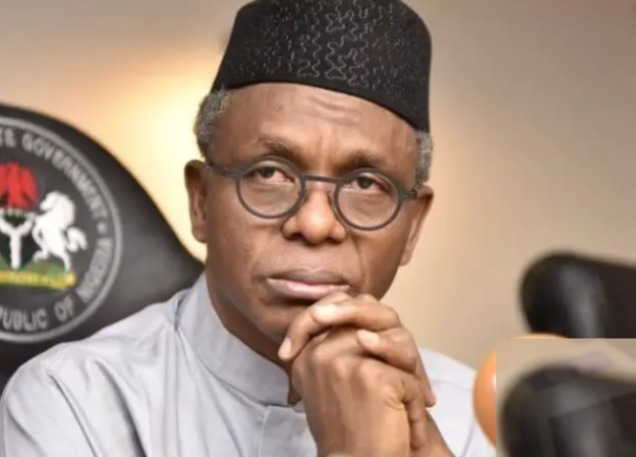
Nigeria's education system faces urgent reform as stakeholders recognize the limitations of rote memorisation in preparing students for a dynamic global landscape. Recent comments from the Minister's aide highlight the need for a paradigm shift towards fostering critical thinking, innovation, and problem-solving skills. This call for change underscores a growing consensus that traditional methods no longer align with the demands of modern economies and workforce expectations.
The Minister's aide, speaking at a recent conference, stated, "To truly empower our youth, we must cultivate an environment where creativity and analytical skills thrive rather than one that merely rewards memorization." This sentiment reflects a broader educational discourse that emphasizes the importance of equipping students for real-world challenges. As the Nigerian government faces criticism for its stagnant educational outcomes, initiatives that prioritize interactive learning and skills development are essential.
Looking ahead, the transition from rote learning to a more holistic educational approach could significantly impact Nigeria's socio-economic development. By investing in innovative teaching methods, the country can better prepare its youth for future opportunities, ultimately fostering a generation equipped to drive sustainable progress.