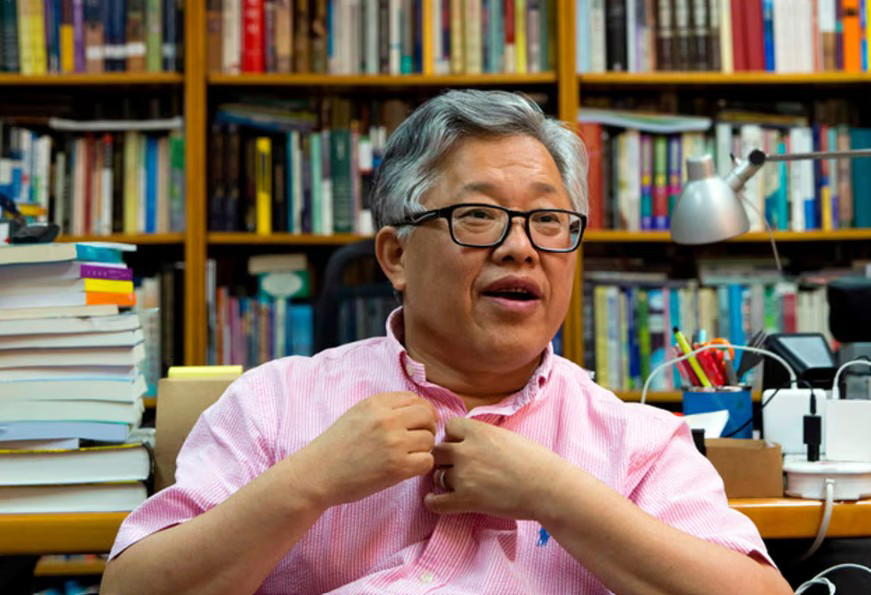
In a significant diplomatic development, China has released Ezra Jin, the founder of Zion Church, following intervention from former U.S. President Donald Trump. Jin, a prominent figure among unregistered churches in China, was imprisoned for his religious activities that challenged the Chinese Communist Party's strict regulations on worship.
Jin's release comes amid increasing international scrutiny of China's human rights record, particularly regarding religious freedom. His church has been a focal point for many Christians who seek alternatives to state-sanctioned religious practices. Trump's involvement highlights the ongoing tensions between the U.S. and China concerning human rights and religious expression. "The release of Pastor Jin is a testament to the power of international advocacy and the need for continued pressure on authoritarian regimes," stated John Smith, a senior human rights analyst.
As global attention remains fixated on China's treatment of religious minorities, Jin's case underscores the potential for diplomatic efforts to effect change. The broader implications of this intervention may influence future U.S.-China relations, particularly as discussions around human rights continue to intensify on the world stage.