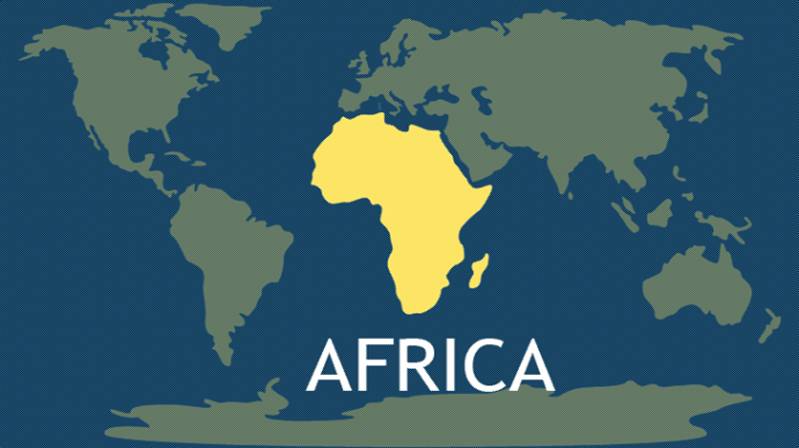
Africa's energy sector faces a critical juncture, where capacity building must take precedence over mere capital investment. As the continent grapples with energy deficits, particularly in Nigeria, there is a growing recognition that sustainable growth hinges on enhancing local skills and infrastructure. Recent discussions have shifted from traditional investment models to a focus on developing human capital and technological know-how.
Stephen Bolu, an energy policy expert, emphasized the need for this shift: "Investing in skills and training is as crucial as funding projects. Without a knowledgeable workforce, our energy initiatives will falter." This sentiment resonates as African nations seek to harness renewable energy sources while ensuring that local communities benefit from these advancements.
Looking ahead, the emphasis on capacity building could redefine Africa's energy landscape, fostering innovation and resilience. By investing in education and training, the continent can not only improve its energy output but also create jobs and stimulate economic growth. As Africa strives for energy independence, the future will depend on a balanced approach that prioritizes both investment and the empowerment of its workforce.