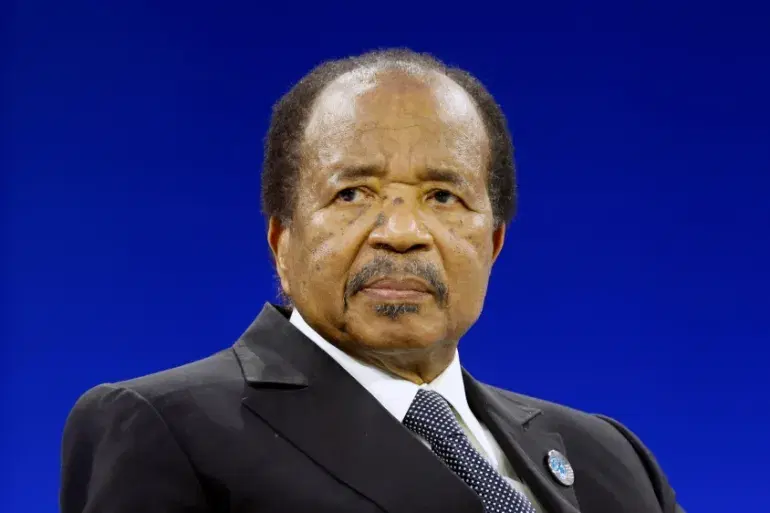
The extended absence of President Paul Biya, now over 48 days in Switzerland, raises pressing questions about governance in Cameroon, where many citizens are calling for reform. Biya, who has ruled since 1982, has faced growing criticism for his lack of responsiveness to pressing issues such as security crises in the Anglophone regions and economic instability exacerbated by global challenges.
This situation has led to public discontent, with opposition leader Maurice Kamto stating, "Cameroonians are tired of a government that is absent when it matters most." The prolonged silence from the presidency has fueled speculation regarding Biya's health and the future direction of the country, as political factions vie for influence in his absence.
As Cameroonians await Biya's return, the potential for political change looms large. The current vacuum may embolden opposition movements and civil society to push for reforms, suggesting that the next few months could be pivotal for the nation's political landscape. With the growing demand for accountability, the government must address these concerns to maintain stability and public trust.
