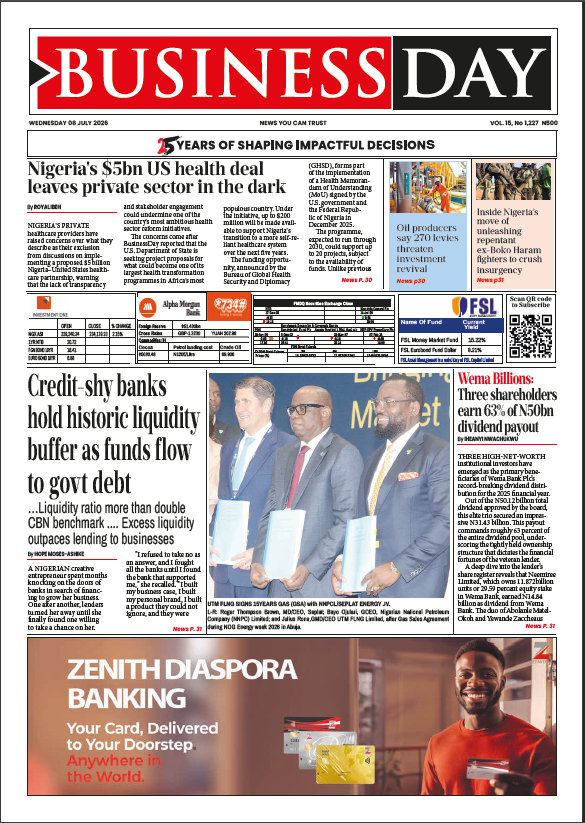
As Nigeria grapples with economic challenges, recent insights from BusinessDay highlight a complex landscape shaped by fluctuating oil prices and increasing inflation. The Central Bank's recent interventions aim to stabilize the naira and curb escalating costs, which have burdened consumers and businesses alike.
Key developments include the government's push for diversification away from oil dependency, with new policies encouraging agriculture and technology investments. "We must innovate to thrive; relying solely on oil is no longer viable," stated Fatima Abubakar, a prominent economist. This shift reflects a growing recognition of the need for sustainable economic practices to foster resilience in times of global uncertainty.
Looking ahead, Nigeria's ability to navigate these challenges will depend significantly on its commitment to implementing structural reforms. The government's focus on attracting foreign investment in non-oil sectors could pave the way for a more stable economic future. As stakeholders remain cautiously optimistic, the path forward requires not only strategic planning but also a collaborative approach involving both public and private sectors to ensure long-term growth and stability.