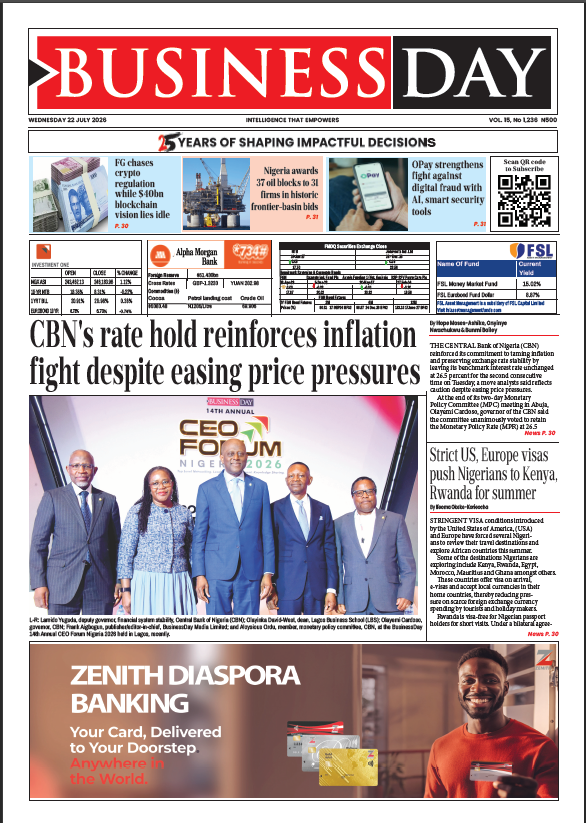
As Africa grapples with economic recovery post-pandemic, recent developments in Nigeria's financial landscape signal both challenges and opportunities. The Central Bank of Nigeria has announced a new policy aimed at stabilizing the naira, which has faced significant depreciation against major currencies. This move comes amid rising inflation rates, which have strained household incomes and business operations across the nation.
In a statement, Dr. Amina Mohammed, Governor of the Central Bank, emphasized the importance of this policy for fostering investor confidence. "Stabilizing the naira is crucial for ensuring economic growth and protecting our citizens' purchasing power," she noted. With foreign investment in Nigeria showing signs of resurgence, the government's focus on improving monetary policy could be a decisive factor in attracting more capital.
Looking ahead, the effectiveness of these measures will be closely monitored. If successful, they could pave the way for a more resilient economy, potentially positioning Nigeria as a leading player in Africa's post-pandemic recovery. However, persistent global economic uncertainties and local governance issues remain critical hurdles that could impede progress. Stakeholders will need to adapt swiftly to navigate these evolving dynamics.