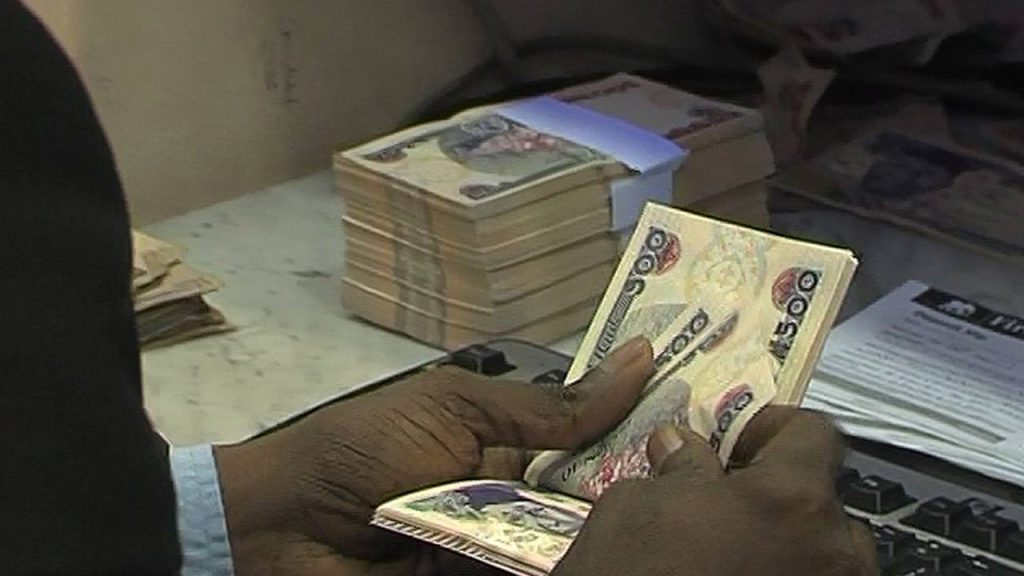
As Nigeria navigates a complex economic landscape in 2026, recent developments signal both opportunities and challenges for businesses. The Central Bank's recent interest rate hike aims to curb inflation, which has surged to alarming levels, impacting consumer purchasing power. Additionally, the ongoing global commodity price fluctuations continue to affect Nigeria's oil-dependent economy, prompting calls for diversification.
Stakeholders are expressing concerns about the sustainability of current growth rates. "We need urgent reforms to enhance our competitiveness," says Chijioke Ibegbulam, President of the Lagos Chamber of Commerce. His remarks echo a sentiment shared by many in the business community, emphasizing the necessity for structural changes to stimulate investment and innovation.
Looking ahead, Nigeria's economic recovery hinges on its ability to adapt to external pressures while fostering an environment conducive to entrepreneurial growth. Policymakers must prioritize initiatives that promote diversification and resilience to mitigate the adverse impacts of global market volatility. As the nation grapples with these multifaceted challenges, the path forward will require strategic collaboration among government, businesses, and civil society to harness Nigeria's potential.