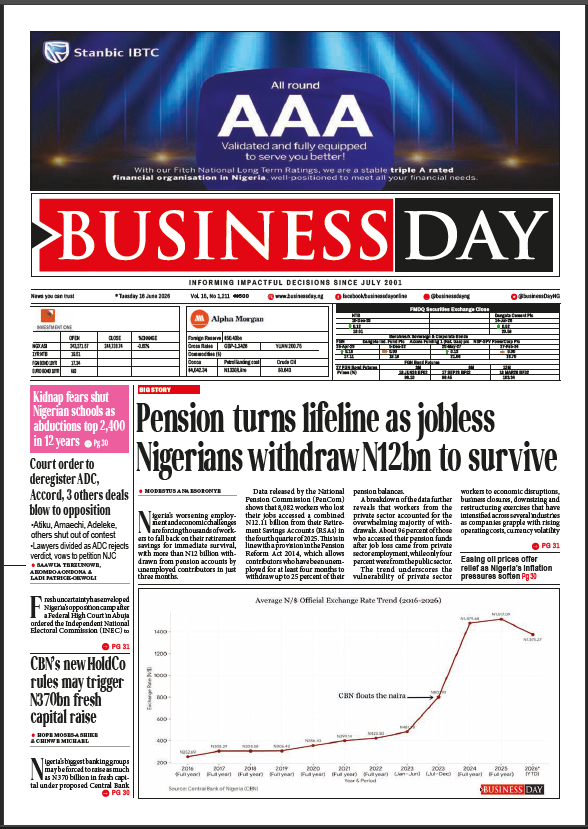
As Nigeria's economy faces persistent challenges, recent reports indicate a slight uptick in growth, raising cautious optimism among stakeholders. The BusinessDay article from June 16, 2026, highlights a 1.5% growth in GDP, driven by increased agricultural output and a modest rebound in the oil sector, the latter benefiting from stabilized global prices.
However, significant hurdles remain. Inflation continues to spiral, with food prices soaring amid supply chain disruptions. "While the GDP growth is encouraging, we must address the underlying inflationary pressures that threaten our recovery," stated Dr. Amina Bello, Chief Economist at the Nigerian Economic Policy Institute. The central bank's recent interest rate hikes aim to curb inflation, but their effectiveness remains to be seen.
Looking ahead, the government faces a critical juncture: balancing growth with inflation control. Sustainable economic development hinges on strategic investments in infrastructure and diversification beyond oil. If these measures are implemented effectively, Nigeria could stabilize its economy and foster resilience against future shocks, positioning itself as a more robust player in the African market.