As dawn breaks over Lagos on this sweltering May morning, the air vibrates with the familiar hum of a city in constant motion. Beneath the surface of this bustling metropolis, deep economic currents are shifting, promising both opportunity and challenge for Nigeria’s business environment. The country's economic landscape is undergoing significant transformations, driven by recent policy changes and global market trends that could redefine the commercial trajectory of Africa's largest economy.
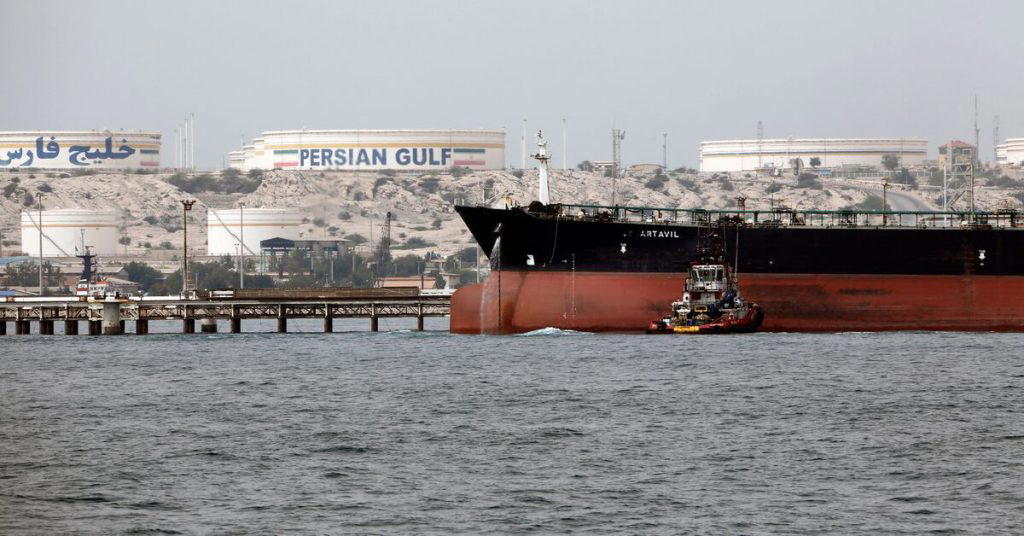
Historically, Nigeria's economy has been heavily reliant on oil, a sector that has both fueled and fettered its development. Oil revenues have long been the backbone of government finances, yet they have also exposed the nation to the volatility of global oil markets. In recent years, efforts to diversify the economy have gained momentum, with policies implemented to boost agriculture, manufacturing, and technology sectors. However, the journey toward diversification has been fraught with challenges, including infrastructural deficits, corruption, and regulatory bottlenecks.
The government, in a bid to spur economic growth and create jobs, has rolled out multiple initiatives aimed at improving the business climate. These include the Presidential Enabling Business Environment Council (PEBEC), which has worked to streamline bureaucratic processes and remove barriers to investment.