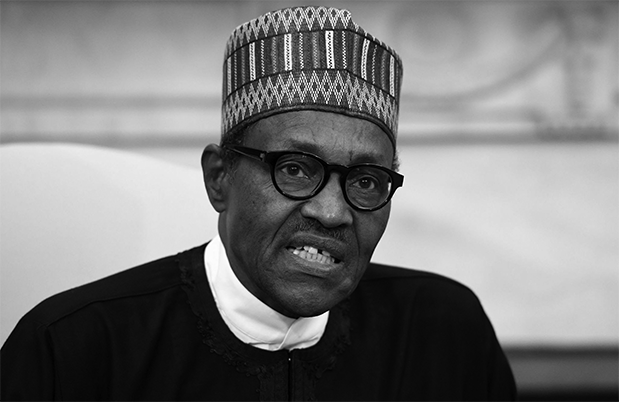
As Nigeria marks the first anniversary of former President Muhammadu Buhari's passing, tributes from political leaders underscore his enduring impact on the nation. Vice President Kashim Shettima, representing President Bola Ahmed Tinubu, emphasized Buhari’s significant legacy, stating, "His life was not a life this nation is capable of forgetting." This sentiment reflects a broader acknowledgment of Buhari's role in shaping contemporary Nigeria, particularly in security and anti-corruption efforts.
Various governors and ministers also paid homage, highlighting Buhari's influence across Nigeria's political landscape. His tenure, marked by both achievements and controversies, has left a complex legacy that continues to evoke strong feelings among Nigerians. As the nation reflects on his contributions, discussions around his policies—especially in relation to economic challenges and national unity—remain pertinent.
Looking ahead, Nigeria faces critical decisions as it navigates the implications of Buhari's legacy. The country’s leaders must capitalize on the lessons learned during his administration to foster stability and growth, ensuring that the memory of Buhari serves as a catalyst for future progress rather than a point of division.