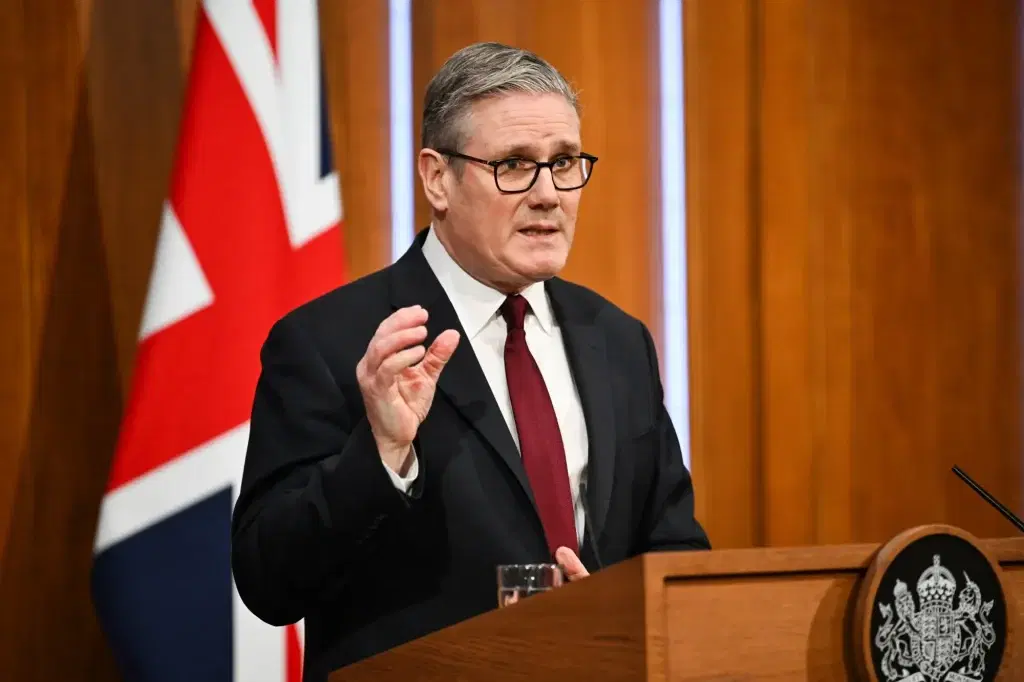
UK Prime Minister Keir Starmer's unexpected resignation marks a pivotal moment for the Labour Party and the broader political landscape ahead of the upcoming elections. Announcing his decision on June 22, 2026, Starmer indicated that the process to select his successor would commence in July, with a new leader expected by September. His tenure, which began amid tumultuous times, had been characterized by efforts to unify the party and regain public trust.
Starmer's resignation comes as Labour faces internal challenges and external pressures, notably from a resurgent Conservative Party. “The next leader must be someone who can connect with the electorate and continue the fight for progressive change,” stated Angela Rayner, Deputy Leader of the Labour Party. This sentiment underscores the urgency for the party to present a cohesive and compelling vision to voters.
As the Labour Party prepares for a leadership transition, the implications for Starmer's policies and the party's future direction remain uncertain. The upcoming leadership race will be closely watched, as it could redefine Labour's strategy in the run-up to the next general election and shape the party's identity in a changing political climate.
