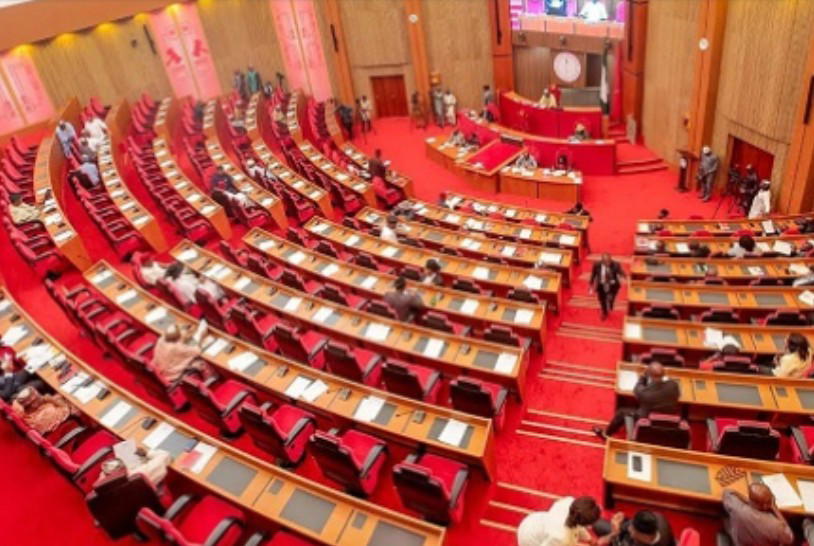
In a significant move towards decentralizing law enforcement, the Nigerian Senate has passed the State Police Bill, paving the way for state-level police services. Senate Leader Opeyemi Bamidele’s motion to suspend the Senate rules underscores the urgency behind this legislative action, reflecting the growing demand for tailored security responses in various regions.
The bill aims to provide constitutional backing for state police, aimed at enhancing local governance and addressing unique security challenges faced by different states. Proponents argue that state police will improve accountability and responsiveness, while critics fear potential misuse of power. “This is a historic moment for our democracy and the safety of our citizens,” Bamidele stated, emphasizing the bill's potential to empower local communities.
As Nigeria grapples with rising insecurity, the passage of this bill marks a critical step towards reforming the nation’s security architecture. However, the implementation will require careful planning and oversight to prevent abuses and ensure that state police serve the public good. The coming months will be crucial in determining how effectively states can operationalize their police forces amid ongoing discussions about federal-state relations in security matters.