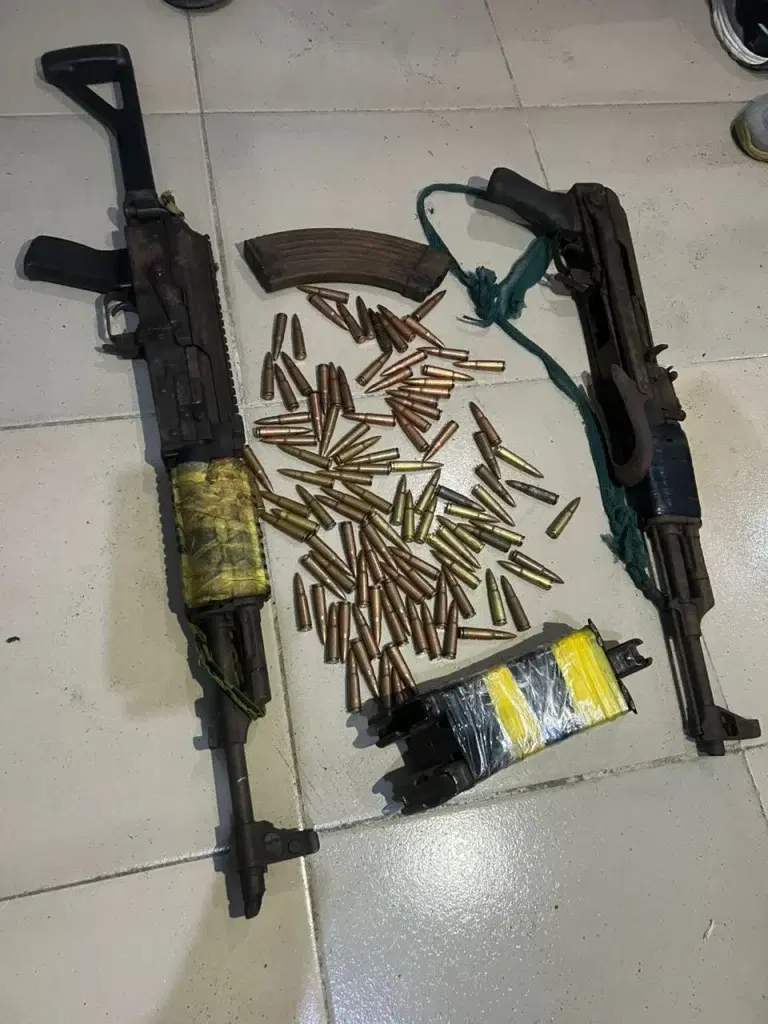
In a significant ruling, the Federal High Court in Abuja sentenced four members of the Al-Shabaab terrorist group to death for their roles in the Owo church massacre, which claimed over 40 lives in June 2022. This verdict underscores the Nigerian government's ongoing battle against terrorism, particularly as religious places remain targets for extremist violence.
The attack on St. Francis Catholic Church during a Sunday service shocked the nation, drawing condemnation from various sectors and highlighting the vulnerability of worshippers. The court found the defendants guilty of terrorism, a verdict celebrated by many as a step towards justice for the victims' families. “This ruling sends a clear message that acts of terror will not go unpunished,” stated Abubakar Malami, the Attorney General of the Federation.
As Nigeria grapples with escalating security challenges, this ruling could serve as a deterrent to potential terrorists. However, the broader question remains: how effectively can the government protect its citizens and prevent future attacks? The need for comprehensive security reform is more pressing than ever, as communities seek assurance that places of worship will remain sanctuaries, free from the threat of violence.