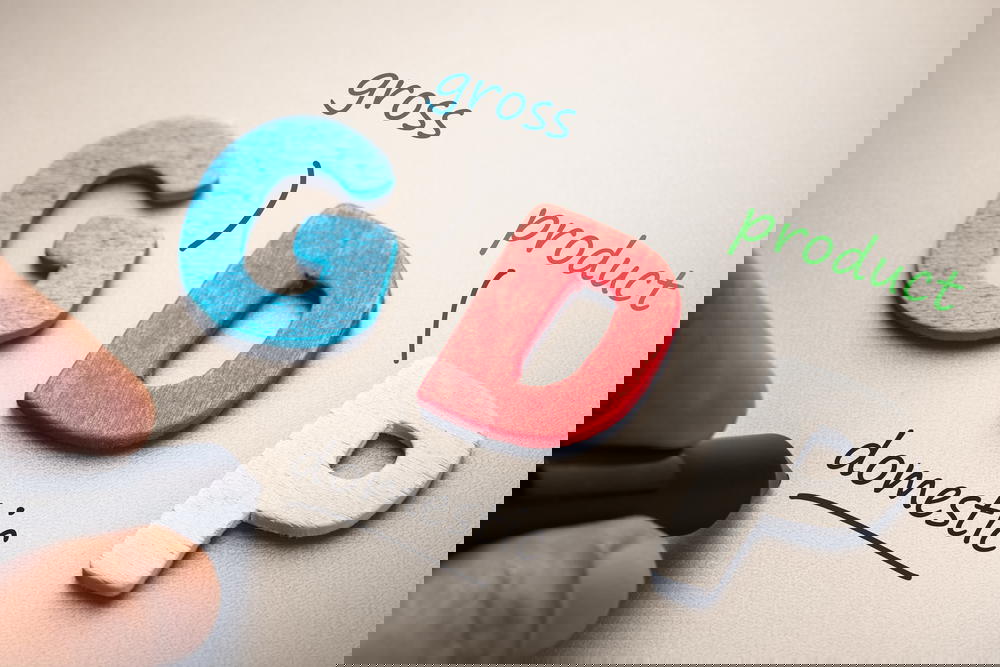
Nigeria's economic expansion has hit a snag, with the National Bureau of Statistics reporting a slowdown in the GDP growth rate to 3.8% for the first quarter of 2026. This marks a decline from previous quarters, raising concerns among analysts and policymakers about the sustainability of Nigeria's economic recovery amid persistent challenges.
Key factors contributing to this deceleration include ongoing security issues, fluctuating oil prices, and inflationary pressures that continue to burden consumers and businesses alike. Dr. Ayo Odukoya, an economist at the University of Lagos, noted, "The decline in growth is alarming; it signals deeper structural issues that need urgent attention to foster a more resilient economy."
As Nigeria grapples with these economic headwinds, the government faces increasing pressure to implement reforms that could stimulate growth and address systemic inefficiencies. Moving forward, stakeholders will need to prioritize investment in infrastructure and diversification away from oil dependence to stabilize the economy and restore investor confidence. The next few quarters will be crucial in determining if Nigeria can rebound from this slowdown and set a course for sustainable growth.