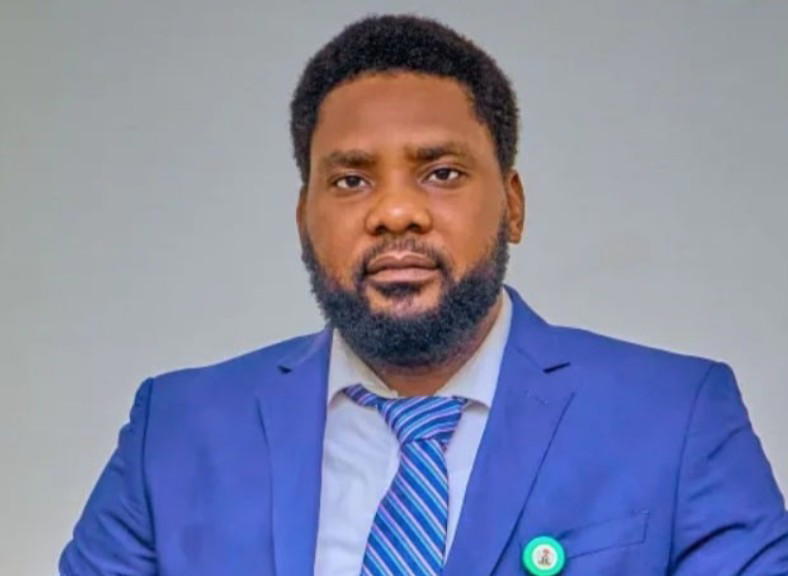
The recent arrest of the Director General of the Energy Commission by the Economic and Financial Crimes Commission (EFCC) for allegedly laundering N500 billion has sent shockwaves through Nigeria's energy sector. This unprecedented move highlights ongoing concerns about corruption within government agencies tasked with managing vital national resources.
As investigations unfold, the EFCC is expected to scrutinize a series of financial transactions linked to the commission, which has been under increasing pressure to ensure transparency and accountability. Stakeholders are voicing their concerns, with Senator Biodun Olujimi stating, "This arrest is a crucial step towards restoring public trust in our institutions, but we must see comprehensive reforms to prevent future abuses."
The implications of this arrest could extend beyond individual accountability, potentially prompting broader reforms within the energy sector. As Nigeria grapples with energy shortages and the need for sustainable development, the outcome of this investigation may influence future policy directions. Observers will be watching closely to see if this incident catalyzes meaningful change or if it becomes another chapter in a long history of unaddressed corruption.