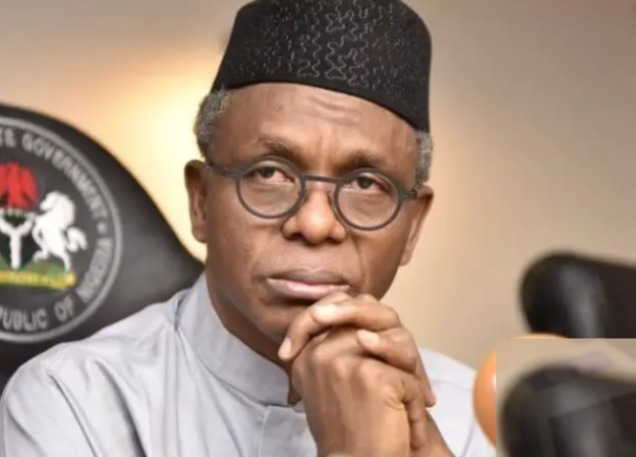
The recent arrest of former Power Minister Mamman Saleh by the Economic and Financial Crimes Commission (EFCC) marks a significant moment in Nigeria's ongoing battle against corruption. Saleh, who was sentenced to 75 years in prison for embezzlement and fraud, had previously held a prominent position in the administration, raising concerns about the accountability of high-ranking officials.
The EFCC's chairman, Abdulrasheed Bawa, stated, "This arrest demonstrates our unwavering commitment to holding public officials accountable for their actions." Saleh's case underscores the systemic issues plaguing Nigeria's power sector, where corruption has long hindered development and service delivery. His conviction reflects a broader push by the Nigerian government to tackle corruption head-on, though critics argue that more needs to be done to address the root causes.
Looking ahead, the implications of Saleh's arrest extend beyond individual accountability. As the EFCC intensifies its efforts, it may signal a shift in public perception regarding governance and integrity in Nigeria. However, sustained political will and institutional reforms will be critical to ensure that such actions lead to meaningful change in the fight against corruption.