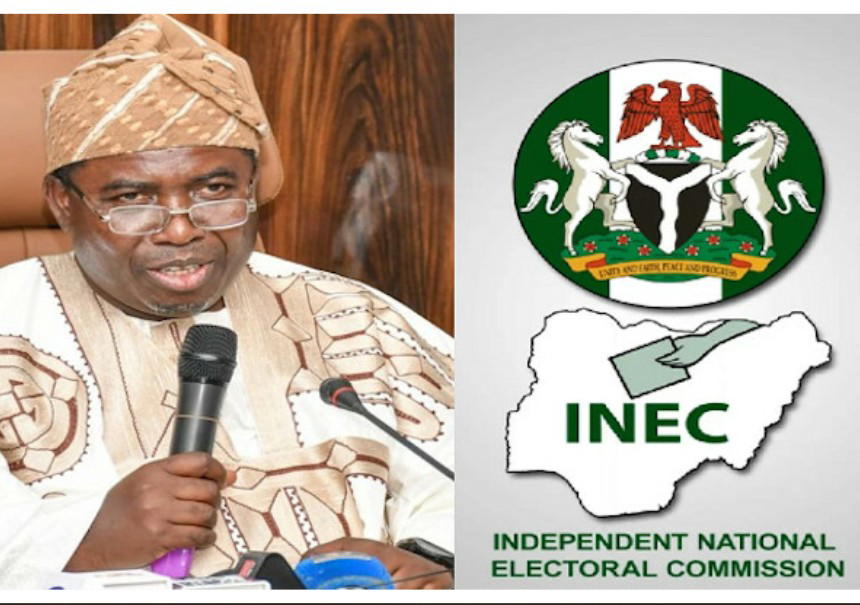
The Court of Appeal's recent decision to strike down critical sections of the Electoral Act 2026 marks a significant shift in Nigeria's electoral landscape ahead of the 2027 general elections. Specifically, the court invalidated provisions governing the membership registers of political parties and the candidate nomination process, raising concerns about the integrity and inclusiveness of the upcoming elections.
Legal experts argue that these changes could lead to a more transparent electoral process, while also warning of potential chaos in party nominations. "This ruling emphasizes the need for electoral reforms that reflect the democratic will of the people," stated Dr. Amina Yusuf, a prominent electoral law scholar. The implications of this ruling extend beyond immediate electoral logistics; they challenge political parties to adapt swiftly to new legal realities.
Looking ahead, the government and electoral bodies must act promptly to address the void left by the court's ruling. Ensuring that new regulations are in place before the elections will be crucial to maintaining public confidence in Nigeria's democratic processes and preventing any disruption in the electoral timeline.