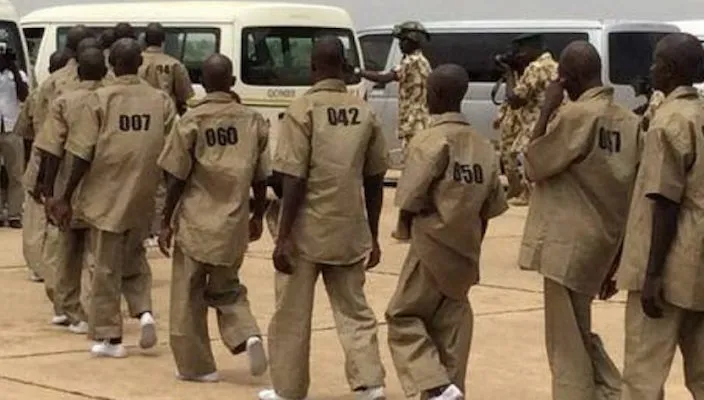
Borno State's recent defense of employing a Quran oath as a security measure for reintegrated 'repentant' terrorists has sparked significant debate over the efficacy of such practices in counter-terrorism efforts. The state's Commissioner for Women Affairs, Zainab Gimba, emphasized that these beneficiaries undergo rigorous screening and rehabilitation before they take the oath, asserting it serves as a commitment to peace and societal reintegration.
This approach is part of a broader strategy aimed at addressing the complex challenge posed by Boko Haram and its splinter groups, which have plagued the region for over a decade. Critics argue that the reliance on religious oaths may undermine the seriousness of the rehabilitation process and the rule of law, while proponents believe it fosters a sense of accountability and moral obligation among former militants.
"We believe that taking the Quran oath symbolizes a genuine commitment to abandon violence," Gimba stated, highlighting the initiative's intended role in promoting stability. As Borno continues to navigate post-conflict dynamics, the effectiveness of such oaths will be critical in determining the long-term success of reintegration programs and the overall security landscape in Nigeria.