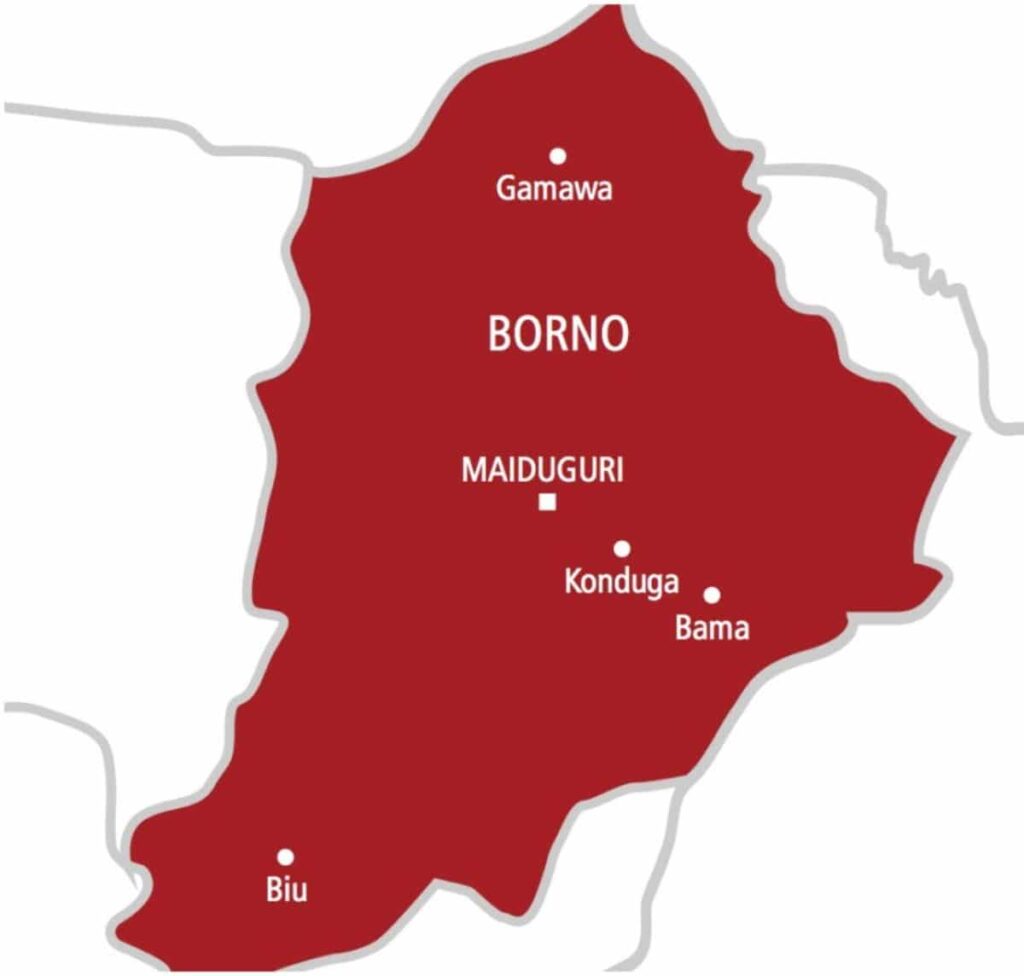
Borno State is grappling with a severe cholera outbreak that has claimed at least 37 lives and infected over 3,000 individuals, primarily in Maiduguri. This crisis has emerged against a backdrop of ongoing humanitarian challenges in the region, exacerbated by years of conflict and displacement that have hampered access to clean water and sanitation.
Local health officials report that the outbreak is spreading rapidly, with many cases linked to contaminated water sources. "We are working tirelessly to contain the outbreak, but the situation is dire," said Dr. Aisha Ibrahim, the state’s Commissioner for Health. The government has initiated emergency interventions, including the distribution of oral rehydration solutions and increased public health messaging to curb transmission.
As Borno battles this health crisis, the need for long-term solutions becomes increasingly urgent. Improved infrastructure and access to clean water are essential to prevent future outbreaks. The international community’s support will be crucial in assisting Borno’s recovery and resilience against such public health threats. Without sustained efforts, the cycle of cholera outbreaks may continue, further complicating the region's already precarious stability.
