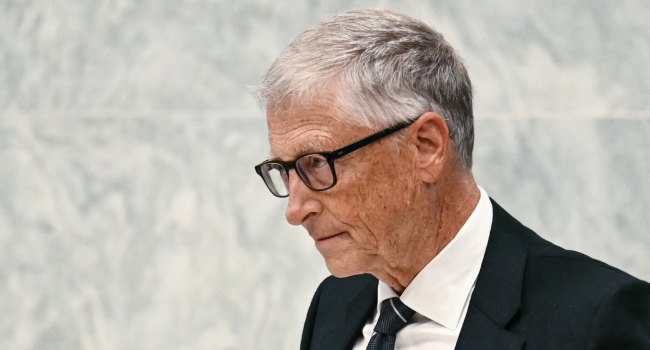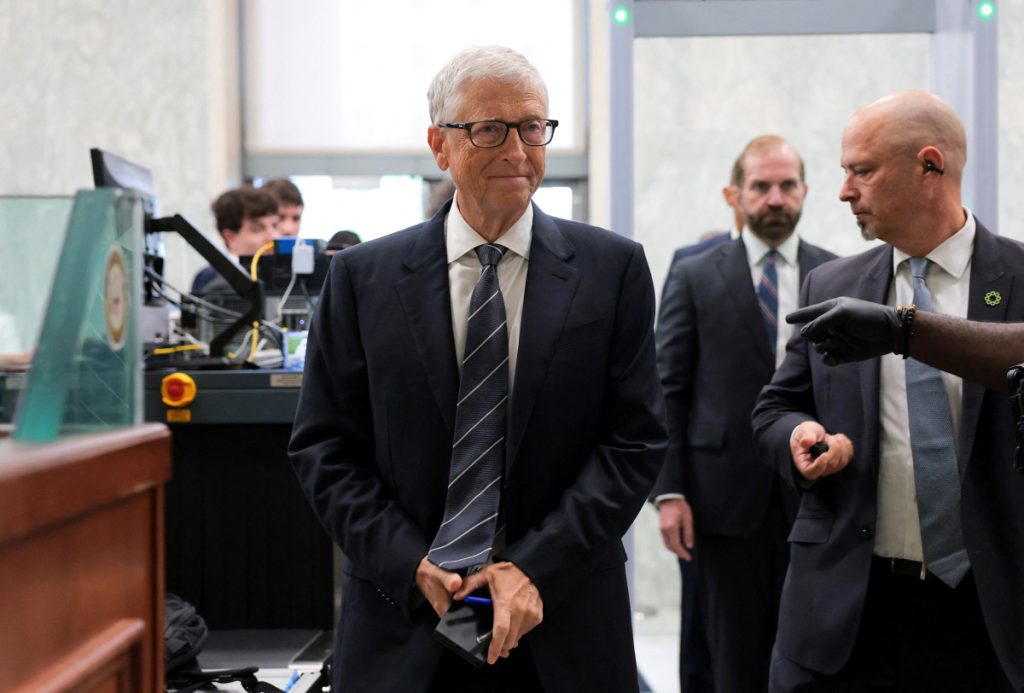
Bill Gates' recent appearance before the U.S. Congress to address his ties to Jeffrey Epstein underscores the growing scrutiny of high-profile figures linked to the late financier. The questioning comes amid a broader investigation into Epstein's network and its implications on public trust in influential leaders. Gates joins other notable figures, including Bill and Hillary Clinton as well as Commerce Secretary Howard Lutnick, who have faced similar inquiries, highlighting a significant political moment.
The committee aims to uncover any potential wrongdoing while emphasizing transparency. "We must hold our leaders accountable and ensure that their connections do not undermine the integrity of our institutions," stated Congressman Mark Thompson, a member of the committee. This investigation not only probes personal associations but also raises questions about the ethical responsibilities of power brokers in society.
As the hearings unfold, the implications for Gates, who has championed global health initiatives, could be profound. The outcomes may not only affect his philanthropic endeavors but could also signal a shift in how society approaches accountability among the elite. With public confidence at stake, the results of these inquiries could reshape perceptions of leadership in the 21st century.