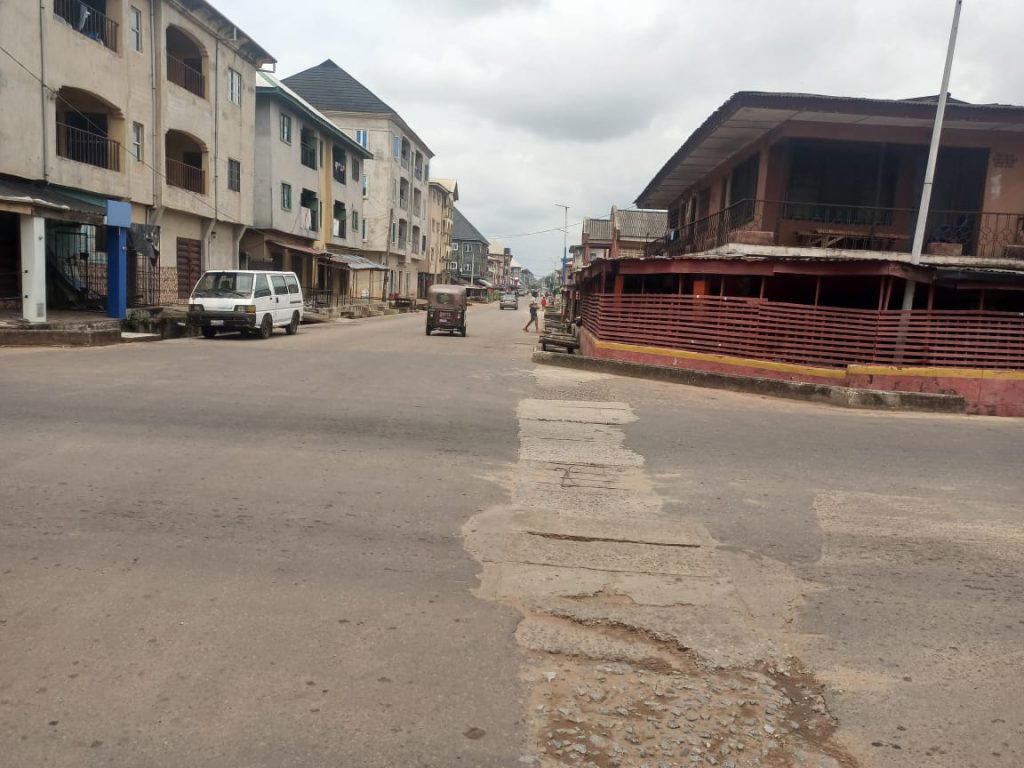
On Biafra Day, a significant observance in Nigeria, Umuahia, the capital of Abia State, experienced an unusual stillness as residents adhered to a sit-at-home order, reflecting deep-rooted sentiments surrounding the 1967-1970 Nigerian Civil War. This annual remembrance serves as a poignant reminder of the lives lost and the enduring calls for recognition of the Biafran struggle.
The atmosphere in Umuahia was notably subdued, with businesses closed and streets empty, highlighting the continuing impact of historical grievances. "This day is not just about remembrance; it's a call for justice and recognition of our past," stated Chukwuemeka Ojukwu Jr., a prominent Biafran activist. His words resonate with many who feel that the issues surrounding the civil war remain unresolved and are critical to understanding contemporary Nigerian politics.
As discussions on self-determination and regional autonomy gain traction, the observance of Biafra Day underscores the complexities of national unity in Nigeria. The gathering momentum around these sentiments suggests that the quest for recognition and justice will continue to shape the political landscape, potentially influencing future dialogues on governance and equity in the country.