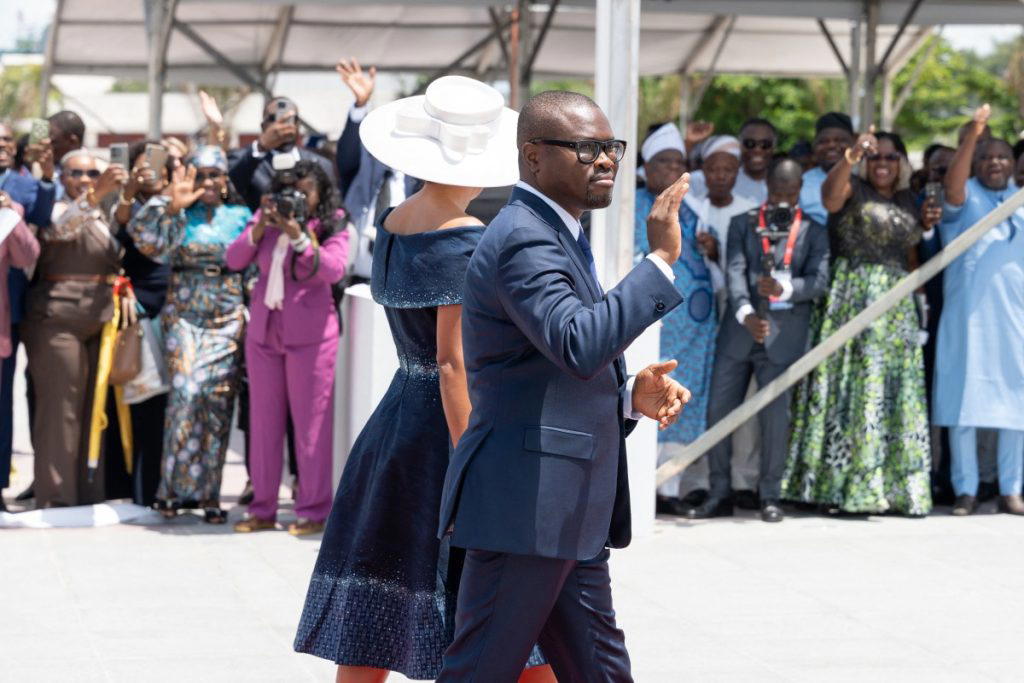
The swearing-in of Romuald Wadagni as Benin's new president heralds a pivotal shift in the nation's political landscape. Previously serving as finance minister under outgoing president Patrice Talon, Wadagni's ascension comes after a contentious election marked by allegations of voter suppression and political repression.
Wadagni’s presidency is expected to focus on economic reforms and strengthening democratic institutions, reflecting a departure from Talon's more authoritarian governance style. “We must prioritize national unity and economic recovery,” Wadagni stated during his inaugural address, signaling a commitment to addressing the divisions that characterized the previous administration. His background in finance positions him well to tackle the pressing economic challenges facing Benin, including rising inflation and youth unemployment.
Looking ahead, Wadagni's leadership will be closely scrutinized, particularly regarding his ability to balance reform with the need for stability. As he navigates the complexities of governance, the new president’s actions will be crucial in determining whether Benin can restore public trust and foster a more inclusive political environment. The coming months will reveal if Wadagni can translate his vision into effective policies that benefit all Beninese citizens.