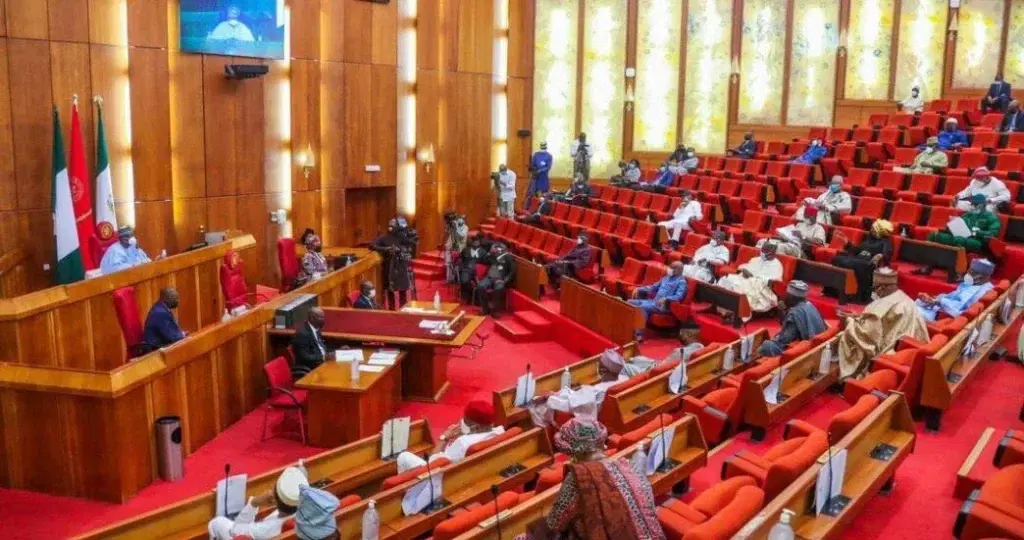
The Nigerian Senate's recent passage of President Bola Tinubu's state police bill marks a pivotal shift in the country's approach to law enforcement and federalism. This legislation seeks to provide constitutional backing for state-controlled policing, a response to escalating insecurity that has plagued various regions. Proponents, including Senator Opeyemi Bamidele, argue that the reform is essential. "This will tackle insecurity and strengthen our federal structure," he stated, emphasizing the need for localized solutions to diverse security challenges.
Historically, Nigeria's policing has been centralized, often resulting in inefficiencies and inadequate responses to local issues. The bill's passage indicates a growing consensus among lawmakers about the necessity of empowering states to manage their own security forces. This move could allow states to tailor their policing strategies to their unique contexts, potentially improving public safety.
As discussions shift to state-level implementation, the focus will be on how effectively states can establish and manage their police forces. Stakeholders will be keen to monitor whether this decentralization leads to enhanced security or if it exacerbates existing regional disparities. The coming months will be crucial in determining the bill's impact on Nigeria's security landscape and governance.