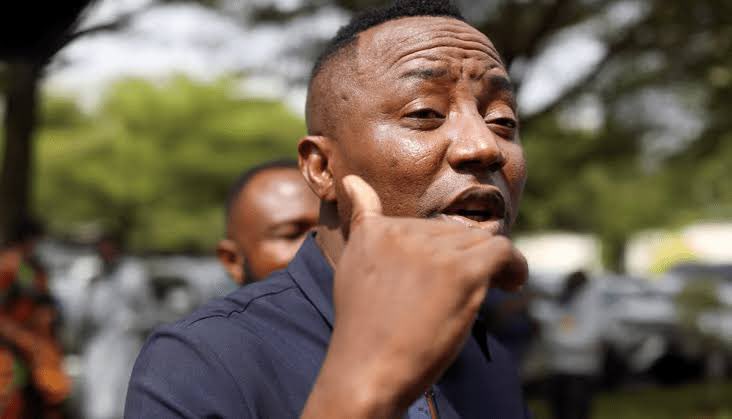
Nigerian activist Omoyele Sowore will remain in custody until June 30, following the revocation of his bail by the court on June 16. This decision came after Sowore failed to appear for proceedings related to serious allegations of cybercrime and criminal defamation, raising questions about the transparency of his ongoing trial and the broader implications for freedom of expression in Nigeria.
Sowore, known for his vocal criticism of the government, has faced legal challenges that many observers interpret as politically motivated. His absence from court has further complicated his case, leading to intensified scrutiny of the judiciary's role in handling cases involving dissent. "This is a systemic issue that reflects the state’s ongoing efforts to silence voices of dissent," remarked Ayo Obe, a prominent lawyer and human rights advocate.
Looking ahead, the situation poses significant challenges for civil liberties in Nigeria, as the government’s actions against Sowore may set a precedent for future cases involving activists. The outcome of this trial and its timing will likely influence public sentiment and political dynamics leading up to the next elections.