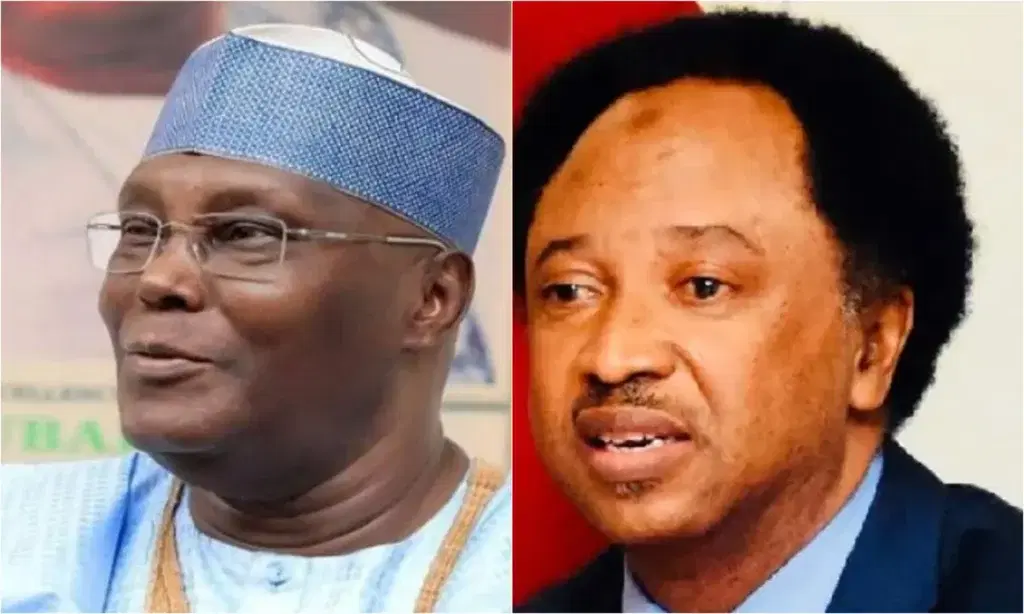
The recent controversy surrounding U.S. lobbying efforts against President Bola Tinubu has ignited a fierce debate among Nigerian political figures. Shehu Sani, a former senator, criticized these lobbying efforts as unpatriotic, warning that they threaten to undermine Nigeria’s international reputation. His remarks, made on social media, reflect a growing concern regarding external influences on domestic politics.
In response, an aide to Atiku Abubakar, the opposition leader, defended the lobbying as a legitimate expression of democratic engagement rather than a betrayal of national interests. “We must recognize that advocacy on the global stage can open doors for Nigeria, not close them,” the aide stated. This exchange highlights the deepening political divides in Nigeria, where opinions on foreign relations often reflect broader partisan loyalties.
As tensions rise, the implications of this debate extend beyond mere rhetoric. The factional disagreements could shape Nigeria’s foreign policy and affect its diplomatic relations with Western nations. Moving forward, the discourse will likely influence how Nigeria navigates international partnerships amid its complex internal dynamics.