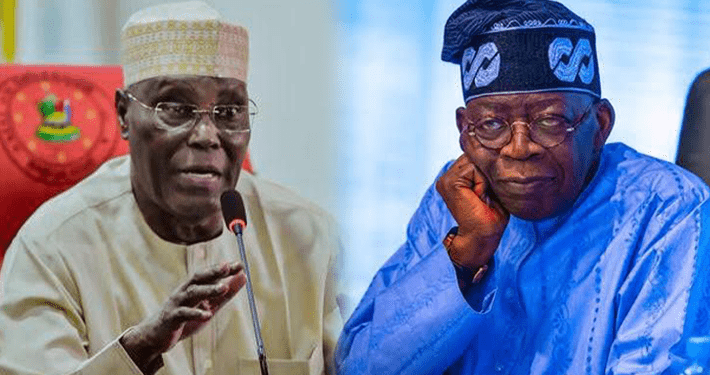
The recent killing of a former member of the House of Representatives has intensified criticisms of President Bola Tinubu's handling of national security. Former Vice President Atiku Abubakar, responding to the tragedy, attributed the incident to what he describes as the "worsening collapse of security under the Tinubu administration." This statement, relayed by his Senior Special Assistant on Public Communication, Phrank Shaibu, underscores growing concerns over the government's ability to protect citizens.
The slain politician's death adds to a troubling trend of violence and insecurity that has plagued Nigeria, prompting calls for accountability and reform. Critics argue that the administration's failure to address escalating crime rates and insurgency has created a climate of fear and instability. In his statement, Atiku asserted, "The government must prioritize the safety of its citizens and take decisive action against these senseless killings."
As Nigeria grapples with these security challenges, the political landscape may shift, pushing leaders to confront the pressing need for effective governance. The upcoming elections will likely bring security issues to the forefront, compelling candidates to present robust strategies to restore public trust and safety.