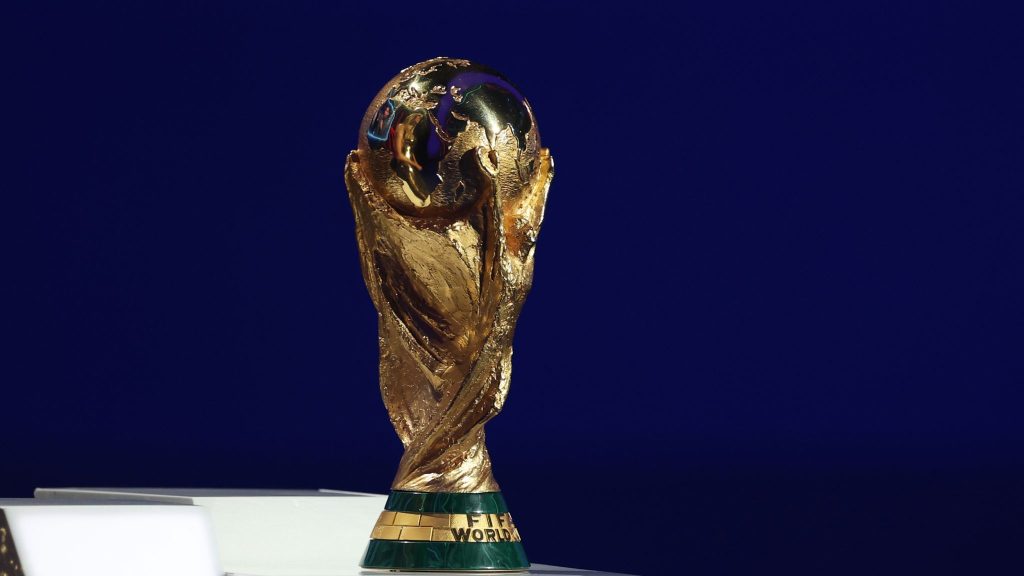
Asia's hopes for World Cup glory have dwindled to just two remaining teams, highlighting a stark divide between the continent's elite and their less competitive counterparts. The tournament has laid bare the struggles faced by Asian Football Confederation (AFC) teams, with only Australia and Japan advancing to the knockout stages, while other nations faltered against stronger opponents.
This disappointing outcome follows years of investment and development in Asian football, raising questions about the effectiveness of these efforts. The gap between top Asian teams and global powerhouses has become increasingly evident, with many nations failing to secure wins against established giants. “This is a wake-up call for Asian football,” remarked AFC President Shaikh Salman bin Ebrahim Al Khalifa. “We must reassess our strategies and invest in grassroots development to nurture talent.”
Looking ahead, the future of Asian football may hinge on a renewed focus on youth programs and competitive leagues. If the AFC can harness this moment of reckoning to foster domestic talent and improve international competitiveness, it may yet transform the fortunes of its teams on the world stage.