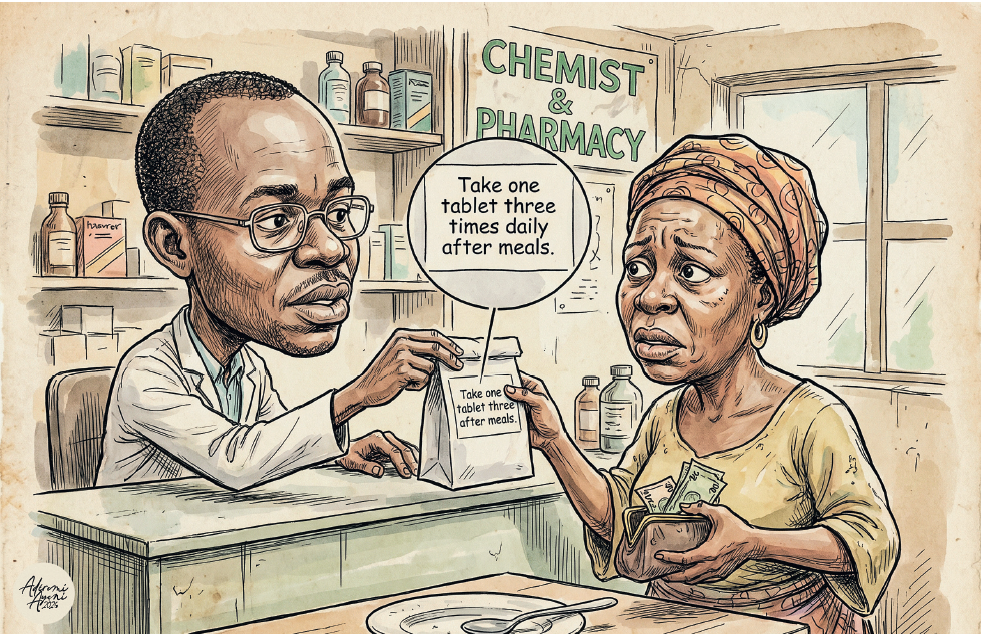
Hunger in Nigeria has escalated into a critical healthcare crisis, threatening both physical well-being and economic stability. Recent reports indicate that over 30 million Nigerians face severe food insecurity, exacerbated by conflict, climate change, and economic challenges. As the government grapples with this multifaceted issue, the strain on the healthcare system grows, with malnutrition contributing to rising rates of disease and mortality.
Dr. Amina Olatunji, Director of Health Policy at the Nigerian Ministry of Health, stated, "Addressing hunger is not just a food issue; it’s a health emergency that demands immediate action from all stakeholders." The intertwining of hunger and health calls for urgent governmental and non-governmental interventions, emphasizing the need for integrated strategies that address both nutrition and healthcare access.
Looking ahead, the situation demands a concerted effort to implement sustainable agricultural practices and improve food distribution networks. If Nigeria can mobilize resources effectively, there may be a pathway to mitigate this crisis, ensuring that citizens not only survive but thrive in the face of adversity. The nation's future stability hinges on its ability to confront this pressing challenge head-on.