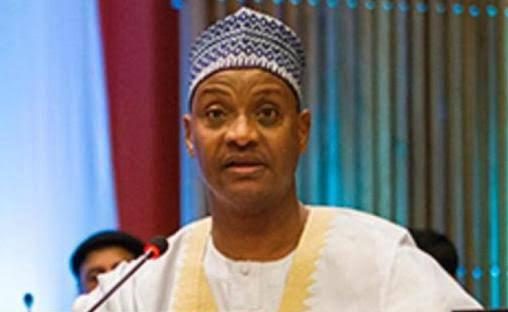
In the wake of devastating earthquakes and tsunami floods, the rise of self-proclaimed prophets in Africa is a troubling phenomenon. These calamities have fueled a surge in spiritual leaders claiming divine insight, often exploiting vulnerable communities seeking solace and answers. Femi Aribisala's reflections on this trend highlight the complexity of faith in times of crisis. As he notes, “I saw no glory in being a prophet,” revealing the burdens that accompany such a role amidst widespread suffering.
Historically, crises have led to a proliferation of religious figures, but the current environment poses unique challenges. Many of these prophets offer quick fixes and miraculous solutions, which can distract from the urgent need for practical humanitarian responses. With trust in traditional authorities waning, communities often turn to these figures for guidance, complicating the landscape of faith and governance.
Looking ahead, it is crucial for both spiritual and secular leaders to promote accountability and transparency. Cultivating a dialogue that prioritizes community resilience over sensationalism can help navigate this delicate intersection of faith and security in Africa. The need for genuine spiritual leadership has never been greater.