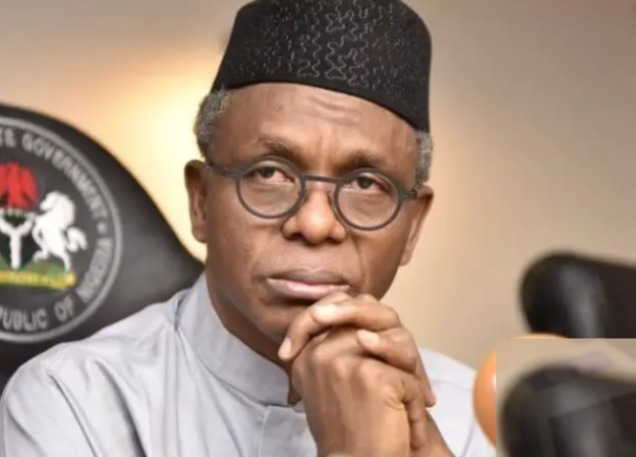
President Bola Tinubu's recent peace mandate for Plateau State has thrust local elders into a pivotal role in addressing the region's escalating violence. Historically, Plateau has been a flashpoint for ethnic and religious conflicts, with cycles of bloodshed persisting for decades. Tinubu's directive emphasizes community-led efforts, placing responsibility on these traditional leaders to foster dialogue and reconciliation.
Yemi Kosoko highlights the reluctance of some elders, who find themselves grappling with the complexities of entrenched grievances. “It is not just about dialogue; we need actionable frameworks that will truly engage our youth,” says Elder Jonah Danjuma, a prominent community leader. This sentiment reflects the broader skepticism about whether mere conversation can quell the deep-seated animosities.
Looking ahead, the success of Tinubu's initiative will rely heavily on the elders' willingness to unite disparate factions and address the root causes of conflict. If they fail to act decisively, Plateau may continue to spiral into further unrest, undermining the president's vision for lasting peace in the region. The coming months will be crucial in determining whether this fresh approach can break the cycle of violence.