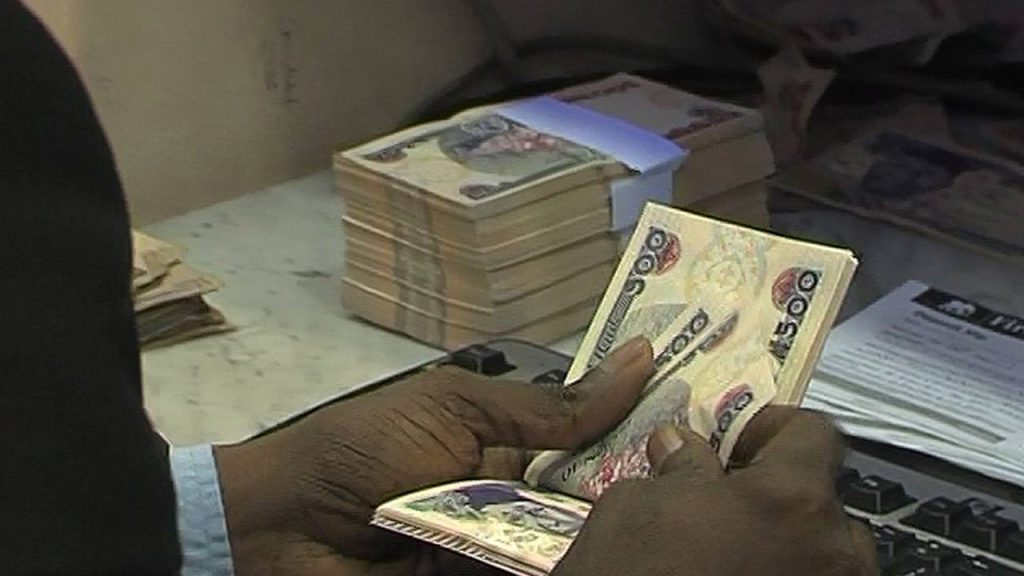
Nigeria's economy faces renewed pressures as April inflation surged to 15.69%, reversing earlier signs of stabilization. This sharp increase marks a significant setback for a nation that had recently experienced a brief respite in rising prices, raising concerns among consumers and policymakers alike.
The Consumer Price Index reflects a variety of factors contributing to this surge, including escalating food costs and ongoing supply chain disruptions. The April figures starkly contrast with the previous months, where inflation had shown signs of moderation. The Central Bank’s efforts to combat inflation through monetary policy adjustments have yet to yield sustained results. "We need a comprehensive strategy that addresses both supply-side constraints and demand management," stated Emeka Okafor, Economic Analyst at the National Bureau of Statistics.
Looking ahead, the continued rise in inflation could compel the Central Bank to further tighten monetary policy, which may inadvertently stifle economic growth. Stakeholders will be closely monitoring the government’s response, as the risk of heightened inflationary pressures could undermine consumer confidence and economic recovery in the months to come.