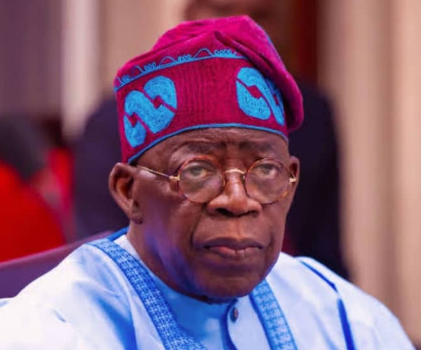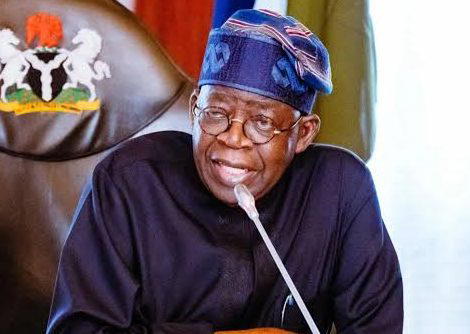
The Nigerian Presidency has taken a firm stance on President Bola Tinubu’s controversial reforms, emphasizing that effective leadership often necessitates unpopular decisions. Amid public discontent over economic policies, including subsidy removals and tax increases, the administration insists that these measures are essential for long-term stability. The Presidency articulated that while immediate applause is absent, the focus remains on averting more significant crises in the future.
Critics argue that the reforms disproportionately affect the poor, but the government contends that such painful choices are unavoidable. “Leadership is not about chasing public approval; it’s about making decisions for the greater good,” stated Femi Adesina, Special Adviser to the President on Media and Publicity. This perspective underscores a broader narrative in governance, where short-term backlash is often a precursor to sustainable progress.
As Nigeria navigates these turbulent economic waters, the central challenge will be balancing necessary reforms with the citizens' immediate needs. The success of Tinubu’s initiatives may ultimately hinge on the administration's ability to communicate effectively and mitigate the impacts of these reforms on the most vulnerable populations.