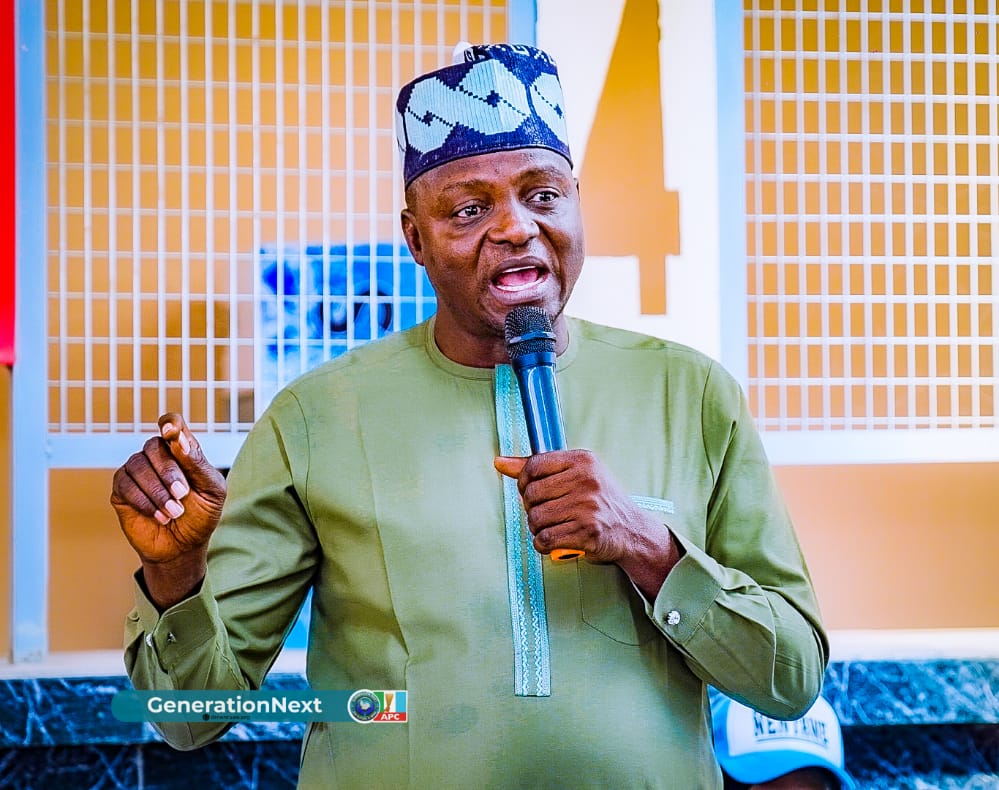
The recent declaration by the All Progressives Congress (APC) designating the People’s Democratic Party (PDP) as Nigeria's main opposition highlights the shifting political landscape ahead of the upcoming elections. This announcement comes as the National Democratic Congress (NDC) and the African Democratic Congress (ADC) find themselves in a contentious dispute over the zoning of presidential tickets, which could significantly influence voter dynamics.
APC spokesperson, John M. Adeola, stated, "The PDP remains the primary contender. The internal strife within the NDC and ADC only serves to strengthen our position." This assertion aims to capitalize on the current disarray among opposition factions, suggesting that the APC is poised to maintain its dominance despite emerging rivals.
As tensions escalate, the NDC and ADC must navigate their differences to present a unified front if they aspire to challenge the APC effectively. The evolving situation underscores the importance of strategic alliances and coherent messaging as Nigeria approaches a critical electoral period. The ability of opposition parties to resolve internal conflicts will be pivotal in shaping the political narrative and influencing voter sentiment in the months ahead.