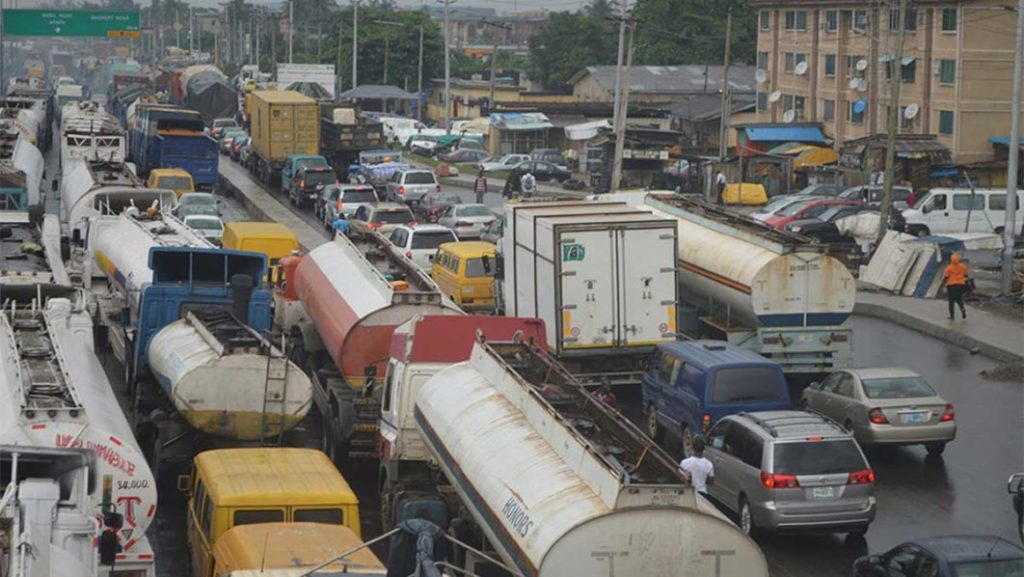
The ongoing Middle East crisis has exacerbated traffic congestion along Nigeria's Apapa port corridor, according to the Nigerian Shippers' Council (NSC). This resurgence of gridlock is severely impacting supply chain operations, leading to delays in cargo movement and increasing costs for businesses reliant on timely shipments.
Key developments reveal that the conflict in the Middle East has disrupted global shipping routes, forcing rerouting and leading to a backlog of vessels at major ports. The NSC emphasizes that these international disruptions have a direct effect on local logistics, with Apapa, a vital trade artery, suffering the brunt of the delays. "The current situation is unsustainable for our economy," stated Hassan Bello, Executive Secretary of the NSC.
As stakeholders grapple with these challenges, the need for improved infrastructure and diversified shipping options becomes more urgent. The hope is that addressing these infrastructure deficits will not only mitigate current congestion but also build resilience against future global disruptions. With the crisis in the Middle East ongoing, the Apapa gridlock may persist unless decisive action is taken.

