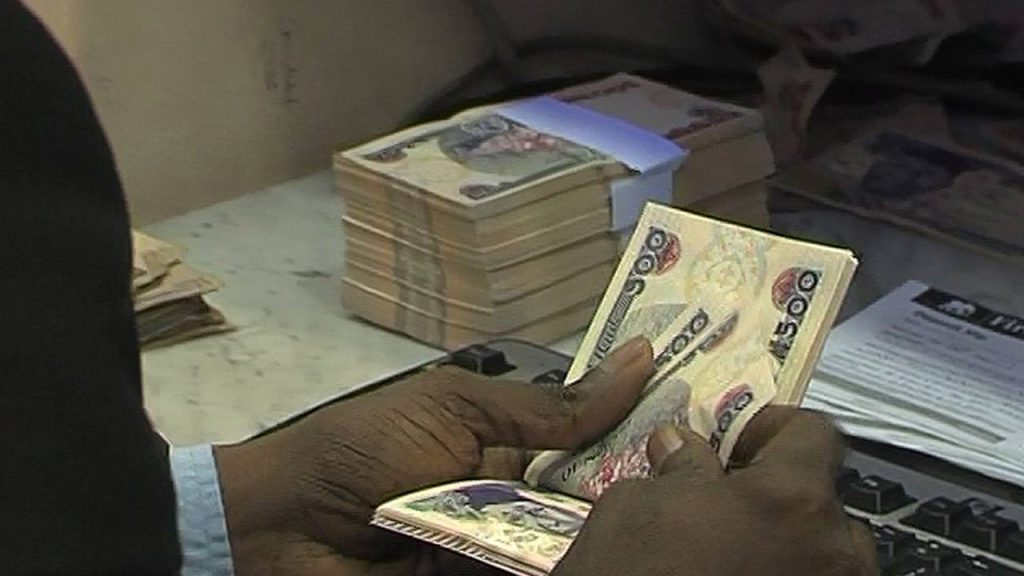
In the bustling economic heart of Africa, Nigeria stands at a pivotal juncture as the nation braces for an anticipated rise in inflation for April 2026. The whispers of escalating consumer prices have stirred conversations in Lagos's financial districts and across the country’s economic landscape. As the streets of Abuja pulse with the rhythm of business, the Central Bank of Nigeria (CBN) finds itself at a crossroads, weighing the implications of this inflationary trend against the backdrop of a delicate economic recovery. Analysts across the continent are keenly observing these developments, predicting that the rise in inflation figures could bolster the case for the CBN to maintain its current interest rates, a move that will reverberate through Nigeria’s economic corridors.
The specter of inflation is not new to Nigeria, a nation that has wrestled with economic volatility over the years. Historically, the CBN has navigated these turbulent waters with a mix of monetary policy adjustments aimed at stabilizing the naira and controlling inflation. The recent months have seen the Nigerian economy grappling with post-pandemic challenges, global oil price fluctuations, and domestic fiscal constraints.