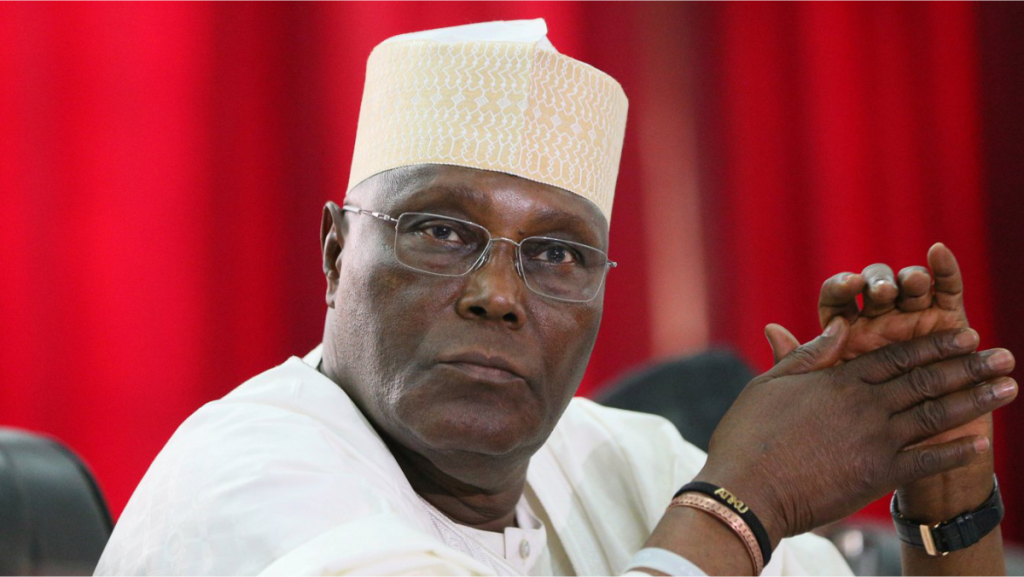
In the wake of allegations of electoral rigging, former Vice President Atiku Abubakar has challenged former Secretary to the Government of the Federation, Babachir Lawal, to substantiate his claims. Atiku's remarks come after Lawal's recent interview, where he suggested that the electoral process was compromised. Rather than presenting credible evidence, Atiku characterized Lawal's statements as the ramblings of "a disappointed political actor struggling to come to terms with the failure of his preferred candidate."
The tension between the two figures underscores the intense political climate in Nigeria, where accusations of electoral malpractice are not uncommon. Atiku’s call for tangible evidence reflects a broader demand for accountability and transparency in the electoral process, which remains a contentious issue in Nigerian politics.
Looking ahead, the challenge for both sides will be to navigate these accusations without further polarizing their supporters. The legitimacy of Nigeria's electoral system hinges on the ability of political actors to engage in constructive dialogue rather than resorting to grandstanding. As the nation prepares for future elections, the pressure mounts for both evidence and integrity in the political arena.